Best Pet-Friendly Hotels in India, Hill Stations, Resorts & Heritage Stays
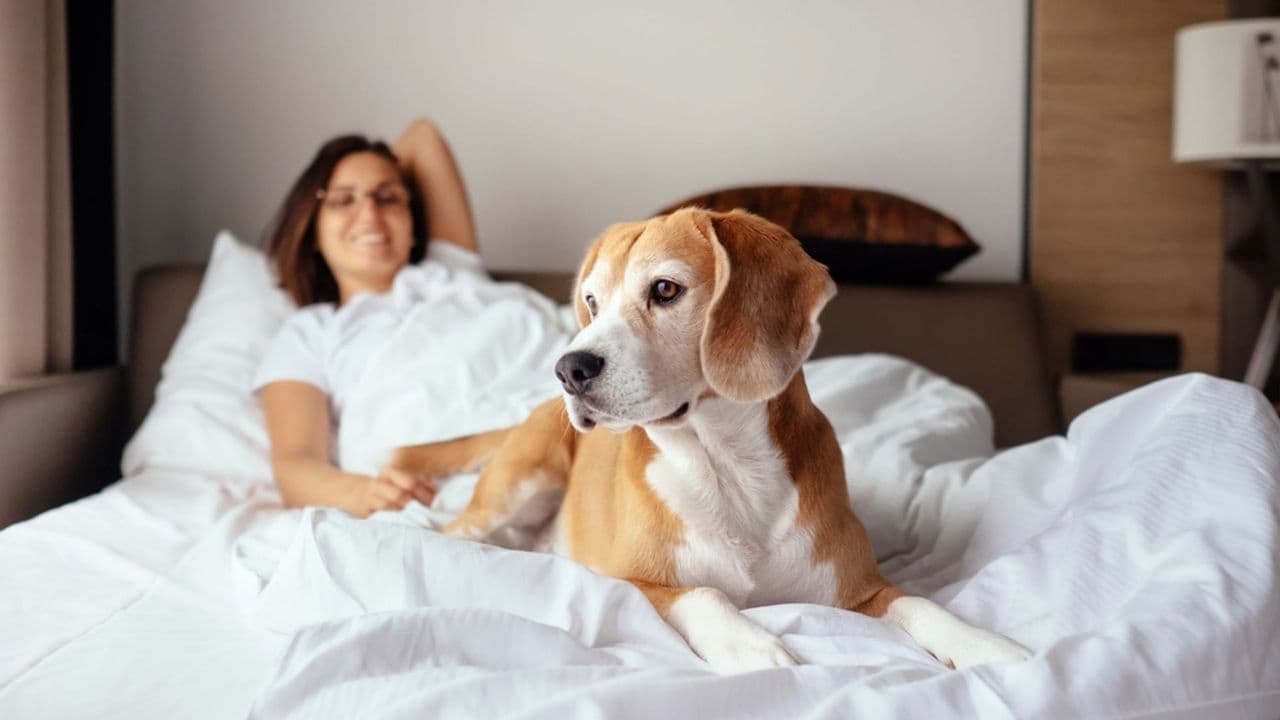
Hotels will say almost anything to fill rooms. "Pet friendly" has become one of those phrases that gets slapped onto a listing without much thought about what it means in practice. Some properties genuinely prepare for a dog or cat, ground-floor rooms, outdoor access, a water bowl that isn't an afterthought. Others just haven't written a no-pets policy yet.
The difference matters a lot when you're three hours from home with a nervous terrier and a check-in that's already running late. If you want a stay that actually works, finding the best pet friendly hotels means looking past the label.
What hotels get wrong about pet travel
The most common mistake pet-friendly hotels make is treating pets as an edge case. They allow them, technically, but the room is on the fourth floor with no lift, the nearest patch of grass is across a car park, and nobody told housekeeping that a dog was in room 12. You spend the trip managing logistics instead of enjoying it.
A hotel that has thought about pet guests solves these problems before you arrive.
- They ask about your pet's size when you book
- They put you in a room near an exit
- Someone on the team knows whether dogs are allowed in the courtyard or just the car park.
These are not difficult things to get right, they just require someone to have thought about it once.
The other thing hotels underestimate is how much the surroundings matter. A furry baby who is used to a garden does not do well in a room on a busy street with no outdoor space until 7 am when the staff unlock a side gate. Dogs need to move. Cats need quiet. Neither does well in a property that was designed without them in mind and then retrofitted with a pet policy.
What to check before you book
Pet-friendly accommodation varies more than almost any other hotel category. The same brand can have completely different rules at two properties in the same city. Always call the hotel directly, booking platforms often carry outdated pet policies, and a five-minute phone call will tell you more than three pages of FAQs.
- Ask whether there is a pet fee and how it works. Some charge per night, some per stay, some take a refundable deposit
- Ask which room types accept pets, not all properties extend the policy to every room category
- Ask whether your dog can be left alone in the room if you go to dinner
- And ask where the nearest outdoor area is and how you get there from your room.
If the person on the phone gives you vague answers or has to put you on hold twice for a simple yes or no, that usually tells you the policy has not been thought through properly. A hotel that genuinely welcomes four-legged friends can answer these questions quickly because the answers come up regularly, something you’ll notice quickly when comparing the best pet friendly hotels.
Mention your pet at the time of booking, not the day before arrival. It gives the property time to put you in the right room and prepare whatever your furry baby needs on arrival.
Why the setting matters as much as the policy
The best pet friendly hotels for dogs tend to share one thing, space.
Not necessarily luxury, not necessarily a long amenities list, just enough outdoor room for a dog to do what dogs need to do without it becoming a production.
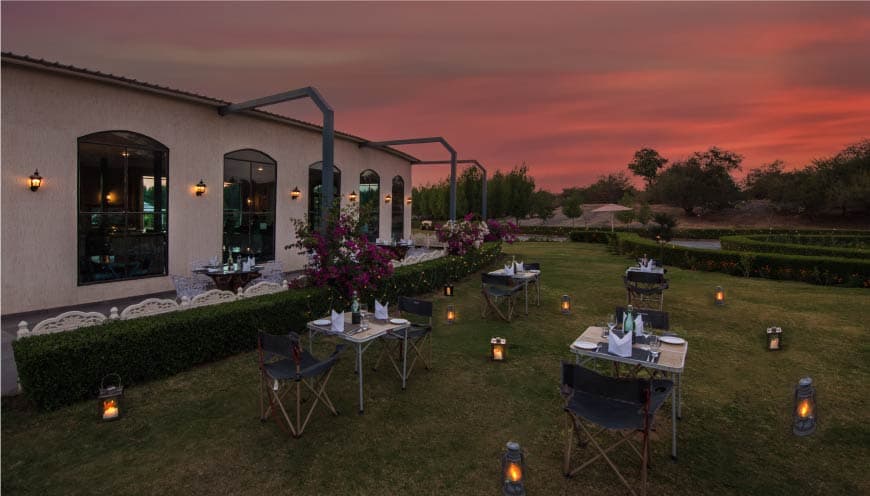
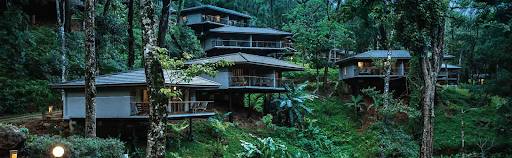
Hill stations, countryside resorts, and heritage properties with gardens score well here not because of any particular pet policy but because of how they are built. There is a lawn. There is a quiet path. The dog can be a dog.
Urban hotels are harder. Some manage it well, a dedicated pet relief area, a nearby park within easy walking distance, staff who are used to early morning dog walkers. Others are a good hotel in every way except this one, which matters more than anything else when you have a dog with a 6 am bladder.
Nature resorts and wildlife retreats present a different trade-off. The outdoor access is usually excellent. The sounds, smells, and wildlife nearby can sometimes unsettle a domestic pet who has never been near a jungle before. Worth thinking about depending on your dog's temperament.
Breed limits, weight caps, and the fine print worth reading
Many dog-friendly hotels have weight or breed restrictions that are not prominently advertised.
- A property might say pets are welcome but mean dogs under 10 kg only,
- Some exclude certain breeds entirely.
If you have a large dog or a breed that sometimes ends up on restricted lists, confirm this specifically, not just whether pets are allowed, but whether your pet is allowed.
Pet deposit policies also vary widely.
- Some hotels take a refundable deposit at check-in that is returned at checkout if there is no damage
- Others charge a flat non-refundable cleaning fee regardless.
On a short trip the difference is minor. On a two-week holiday it adds up. Read this before you book rather than at the front desk with your dog pulling at the lead.
Vaccination records are increasingly requested at higher-end pet-friendly stays. Carry a printed copy or a photo on your phone. Some properties, particularly in hill stations, also recommend checking whether your pet is up to date on tick and flea treatment before travelling, not a policy requirement at most places, but sensible advice regardless.
Why WelcomHeritage best pet friendly hotel
Among hotels that describe themselves as pet friendly, WelcomHeritage tends to stand out for a more practical reason, its properties are built in a way that naturally accommodates pets.
Many of its hotels are heritage estates, palaces, and countryside retreats, which means they come with open spaces, quieter surroundings, and easier outdoor access. This removes a lot of the friction that usually comes with travelling with pets in standard city hotels.
You’re less likely to deal with:
- Limited walking areas
- Long routes just to step outside
- Confusion around where pets are allowed
Instead, the setting itself allows pets to move more freely and settle more comfortably, which makes a noticeable difference over the course of a stay.
Another advantage is the scale and pace of these properties. Being more boutique in nature, they often offer a more flexible and attentive experience, where staff are better equipped to handle specific requirements, from room allocation to access to outdoor areas.
Since each property operates independently, policies do vary. It’s always worth calling ahead, sharing details about your pet, and confirming what’s possible before you book.
Done right, a stay here feels less like working around restrictions and more like choosing a place that already works for both you and your pet.



































3381861143.jpg&w=1080&q=75)
86441.jpg&w=1080&q=75)




94919.jpg&w=1080&q=75)