Scenic Places to Visit in Jawai for a Peaceful Getaway
The Rajasthan travel conversation has a rotation problem. Jaipur, Jodhpur, Jaisalmer, Udaipur, the four cities that absorb the majority of tourist attention, the forts and the palaces and the desert that most itineraries allocate their Rajasthan days to. Everything outside this circuit gets positioned as the detour rather than the destination.
Jawai is the detour that consistently outperforms the destination.
The Pali district of Rajasthan, the Aravalli hills producing the granite boulder landscape that looks like nobody designed it and nature had a particularly ambitious afternoon. The places to visit in Jawai don't come with entry tickets and audio guides. They come with open jeeps, habituated leopards, ancient temples in the rock face, and the specific Rabari pastoral culture that has been coexisting with the wildlife since before the tourism infrastructure existed to notice.
Here's what's worth finding.
The Leopard Hills: The Reason Most People Come
The granite formations around Jawai hold one of India's most accessible leopard populations. Habituated to the Rabari community whose cattle graze alongside their territory, the leopards here don't treat the presence of a slow-moving vehicle as a threat. The boulder face where the female was sitting at dawn is the boulder face where the evening safari finds her again.
This is the specific Jawai quality that wildlife photographers fly from Europe and North America for, the open terrain, the predictable animal behaviour, the guide network whose individual animal knowledge produces a sighting rate that the managed forest reserves can't match.
The sunrise over the Aravalli granite with a leopard on the rock above and the Jawai Dam in the middle distance is the image that defines the destination. Getting there requires the early departure that most guests decide is worth the alarm.
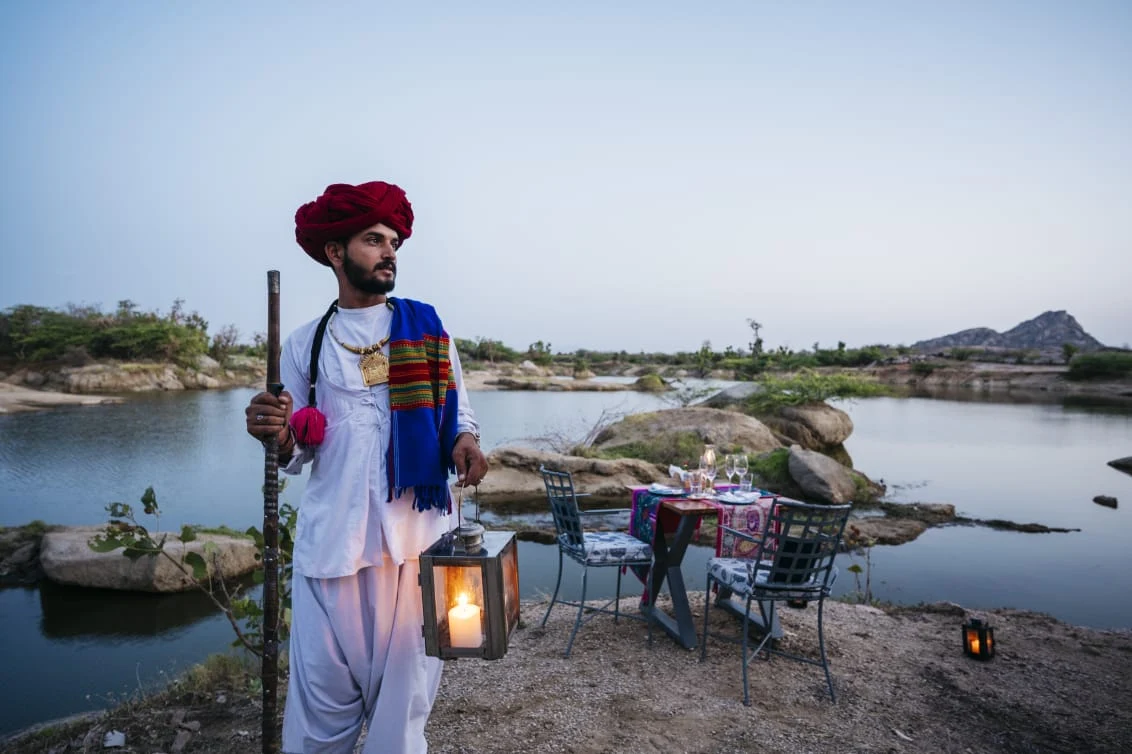
Jawai Dam: The Water That Completes the Picture
The Jawai Dam reservoir sits in the boulder landscape and does something the dry Rajasthan terrain alone doesn't. It brings the water birds.
The crocodiles on the dam's rocky banks, mugger crocodiles basking in the morning sun, visible from the dam road without requiring a safari. The flamingos in season. The painted stork, the open-billed stork, the egrets and herons working the shallow margins. The raptors using the thermal columns above the granite.
Places to visit in Jawai that combine the mammal safari with serious birding are rarer than the wildlife tourism literature suggests. The dam covers the birding brief while the leopard hills cover everything else, the two experiences accessible from the same base on the same day without logistics that complicate the itinerary.
The Rabari Villages: The Cultural Layer
The leopard gets the attention. The Rabari community produces the experience that distinguishes Jawai from every other Indian wildlife destination.
The semi-nomadic pastoral people whose presence in this landscape predates the wildlife tourism infrastructure by centuries. The specific coexistence, the goatherds moving their flocks past the base of the granite formation where the leopard was visible from the safari vehicle that morning, the animals and the community occupying the same geography without the conflict that the forest reserve boundary was built to prevent elsewhere.
The village walk through the Rabari settlement, the craft tradition, the distinctive embroidery, the jewellery culture, the specific visual identity that the community maintains. The evening when the livestock returns and the settlement fills with the specific activity that pastoral communities produce at the close of the agricultural day.
This is the human dimension of Jawai that the overnight visitor finds and the day-tripper misses entirely.
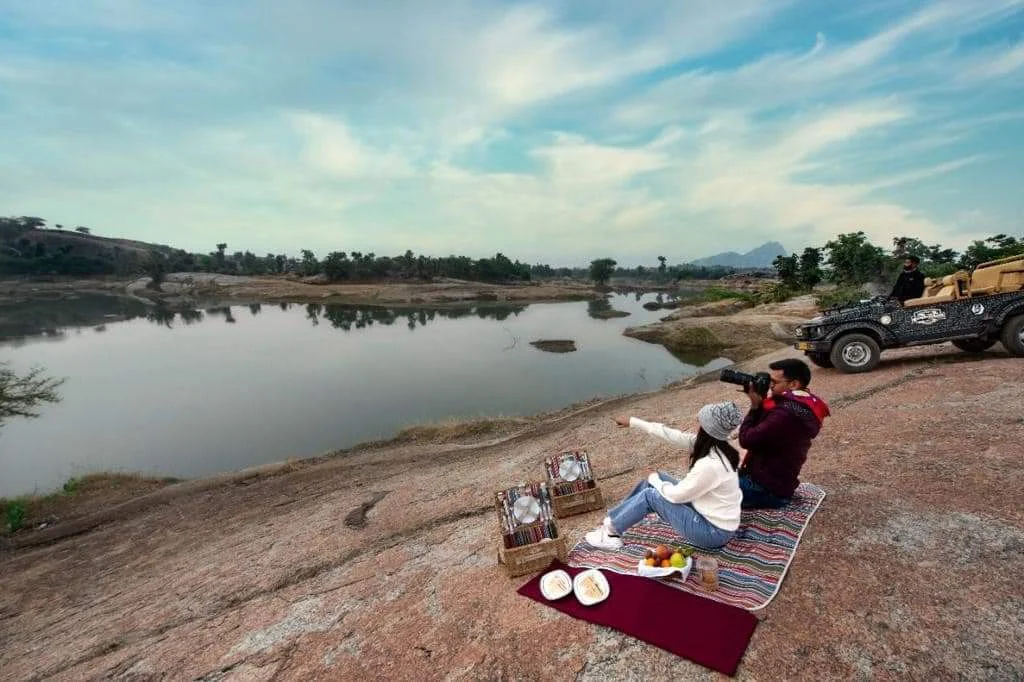
Sumerpur: The Market Town
Sumerpur sits approximately 15 kilometres from the Jawai safari zone, the nearest market town, the weekly haat that the surrounding agricultural and pastoral communities use as the trading and social hub.
The animal market at Sumerpur on market days is the specific local experience that the Jawai visitor whose trip extends to three nights can add to the safari and wildlife circuit. The cattle, the camels, the livestock trade that the Rajasthan rural economy has been running at this location for generations.
Not on the tourism circuit. Worth the half-day.
Ranakpur: The Temple Worth the Drive
30 kilometres from the Jawai safari zone. The Ranakpur Jain Temple — the 15th century marble complex with 1,444 intricately carved pillars, no two identical. The specific architectural achievement that the Jain tradition produced at this location and that the places to visit in Jawai extended itinerary should include for the visitor whose interest runs beyond the wildlife.
The drive from Jawai through the Aravalli countryside to Ranakpur is itself the experience — the rural Rajasthan landscape, the marble quarry country, the specific character of a region that the highway tourism hasn't processed.
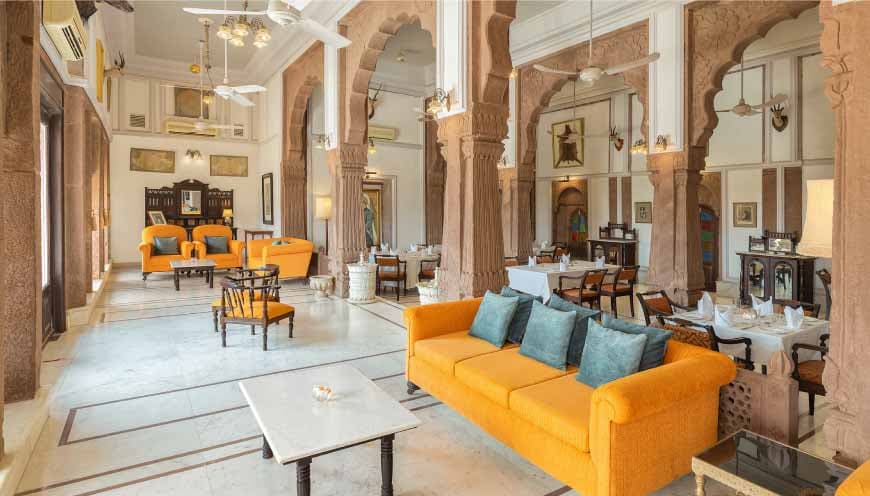
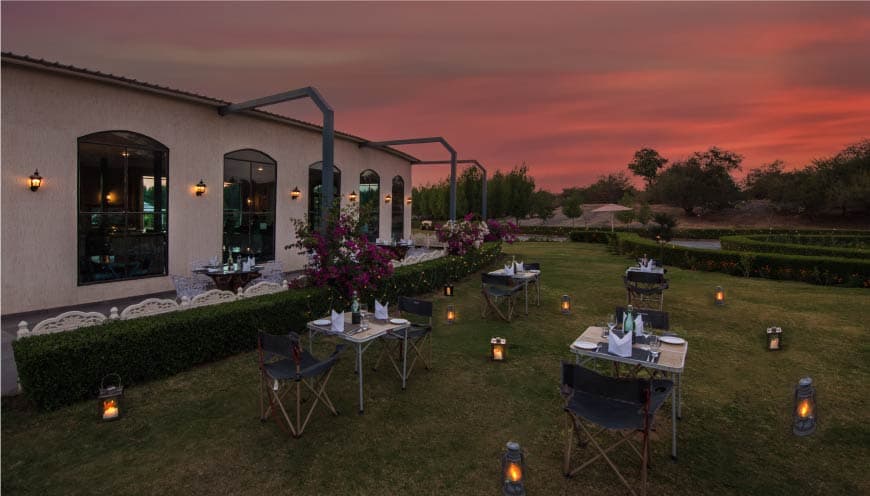
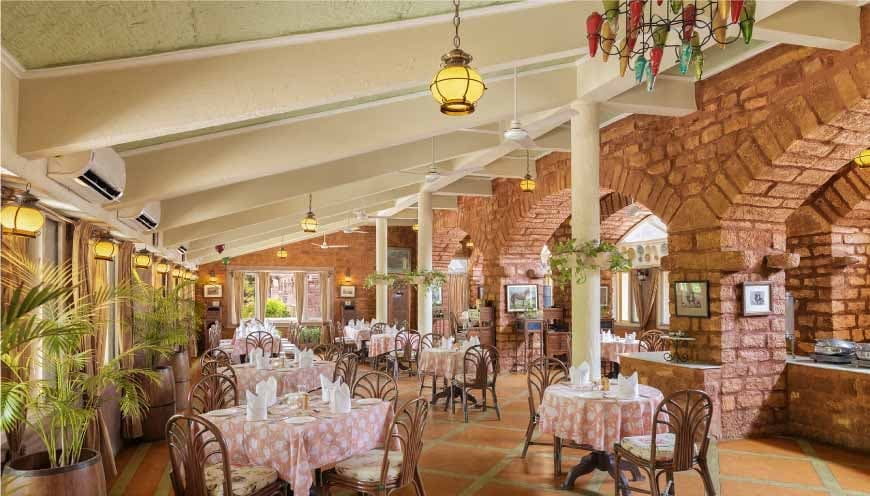
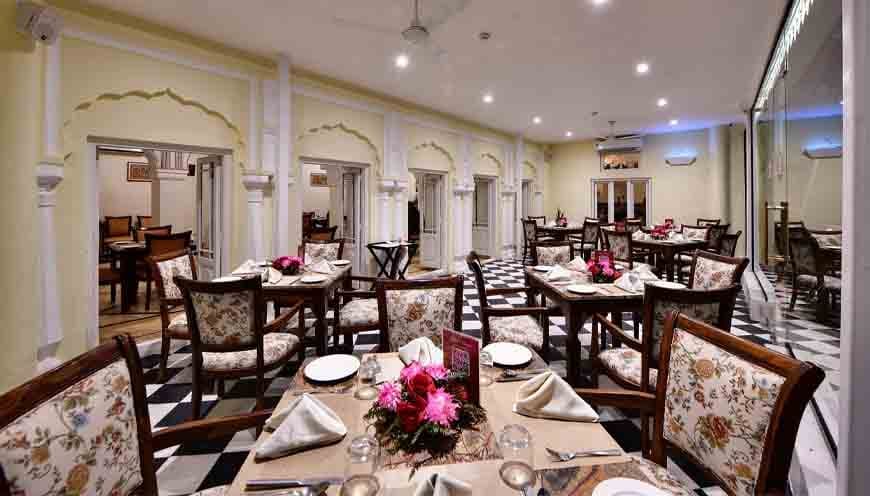
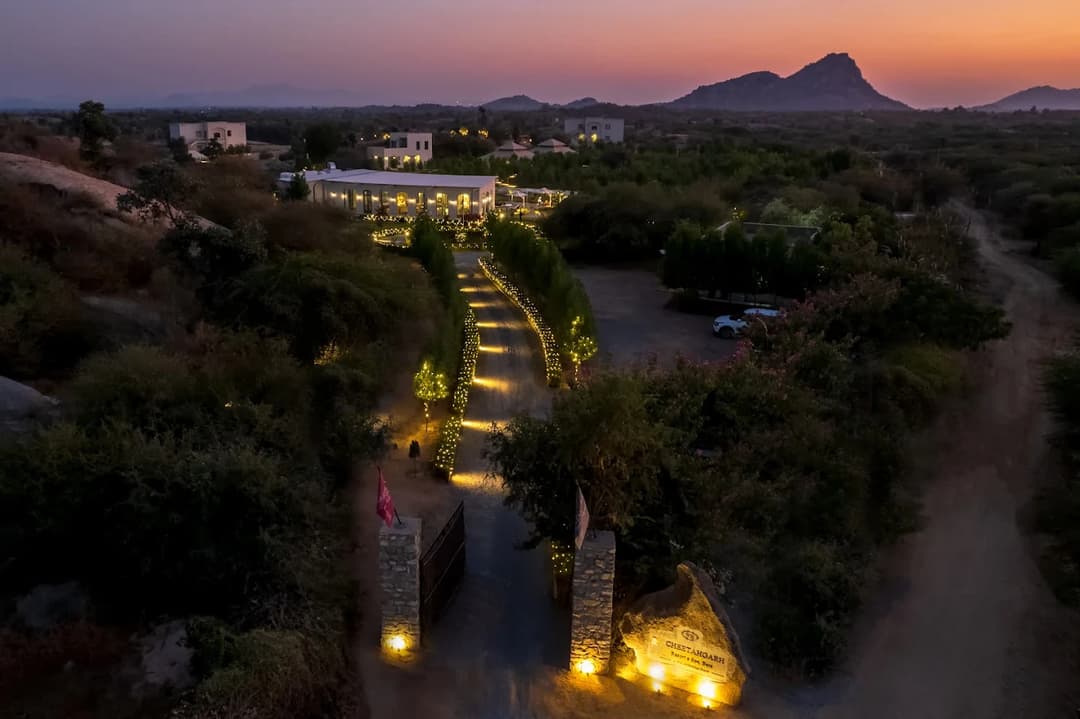
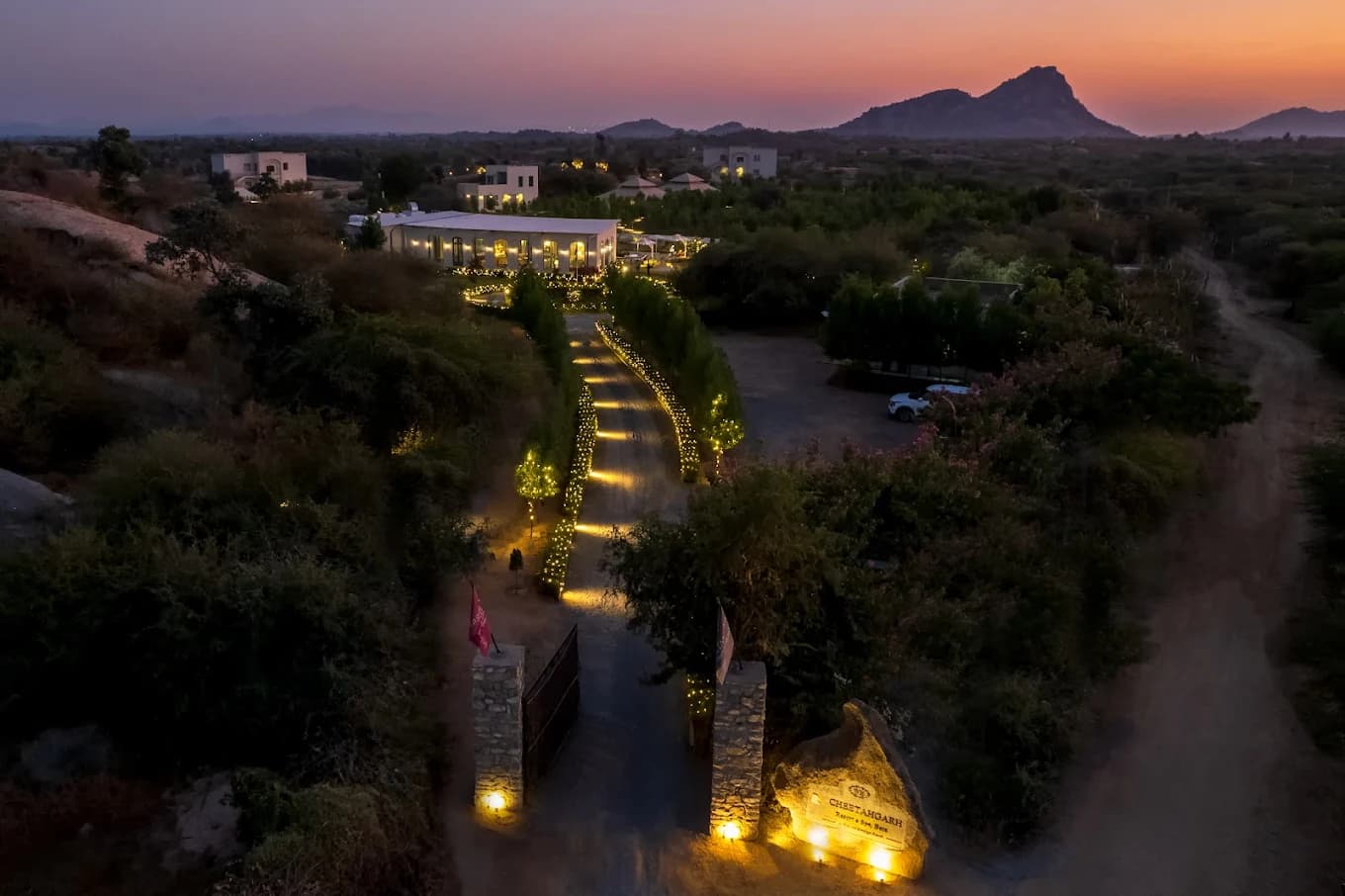
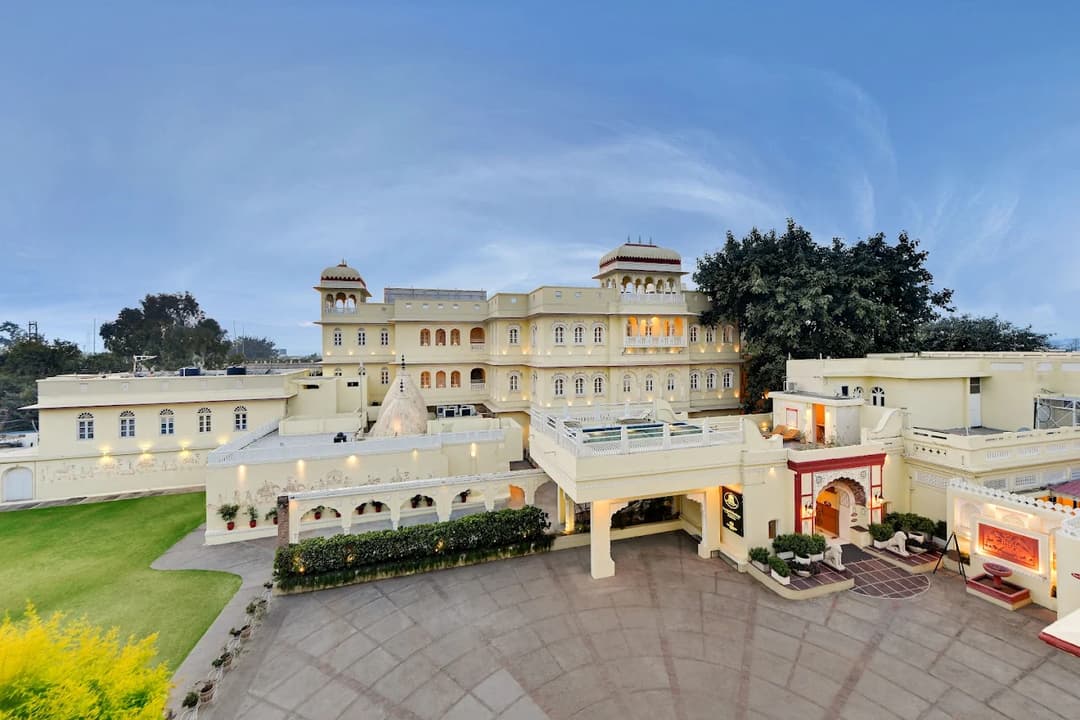
WelcomHeritage Cheetahgarh Resort & Spa: Jawai
The stay that keeps Jawai’s wilderness within arm’s reach.
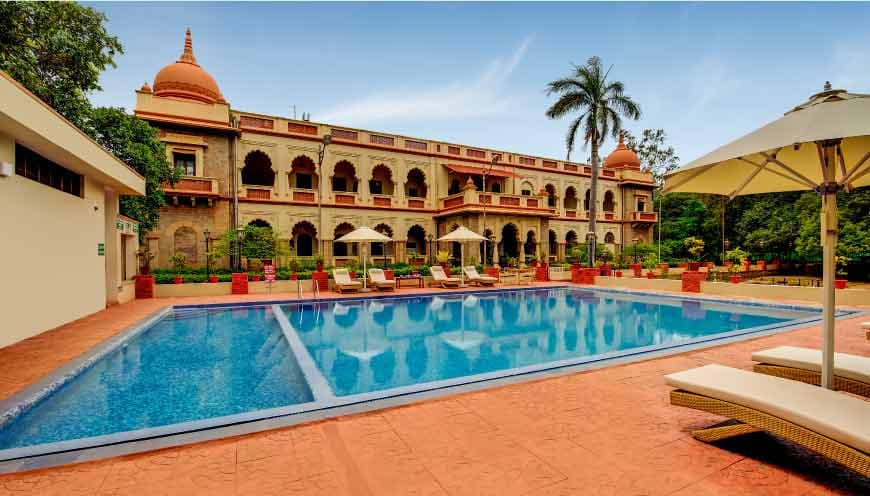
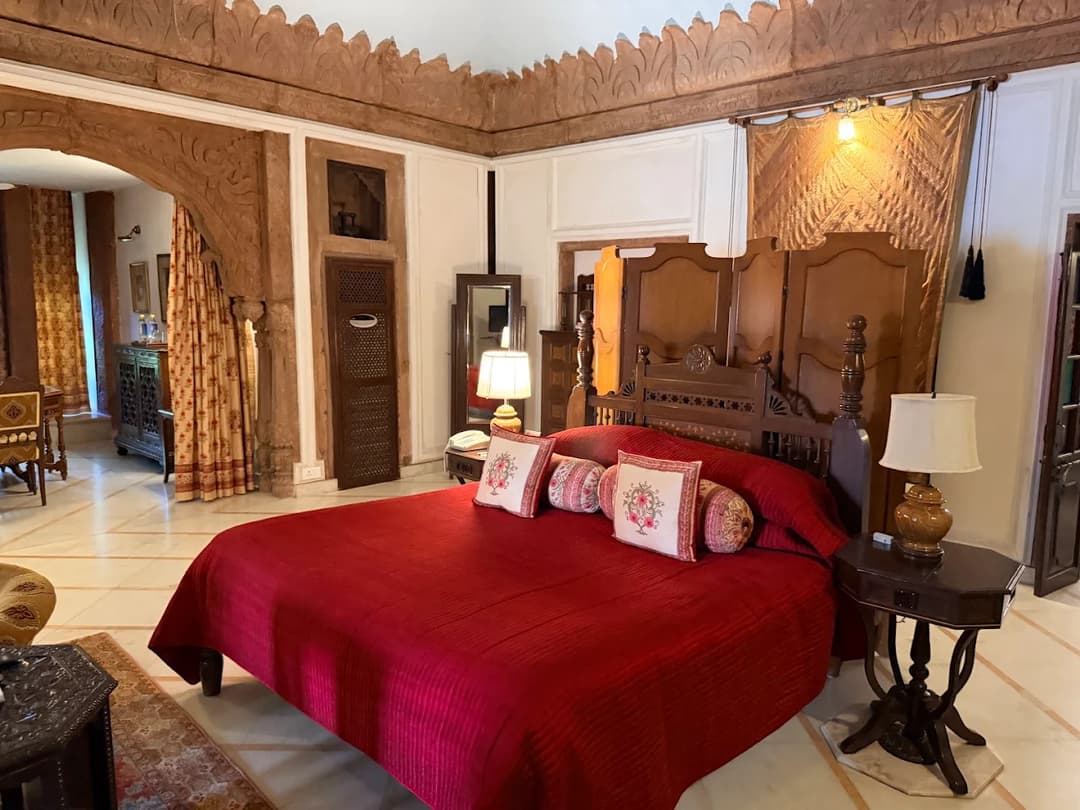
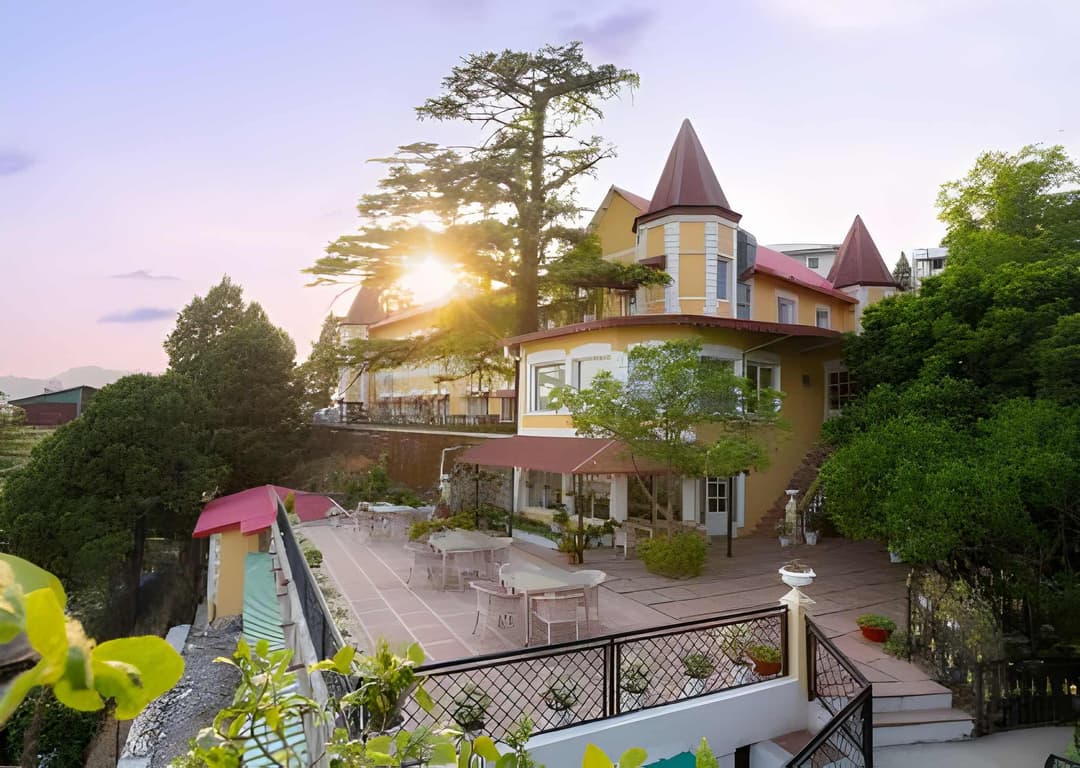
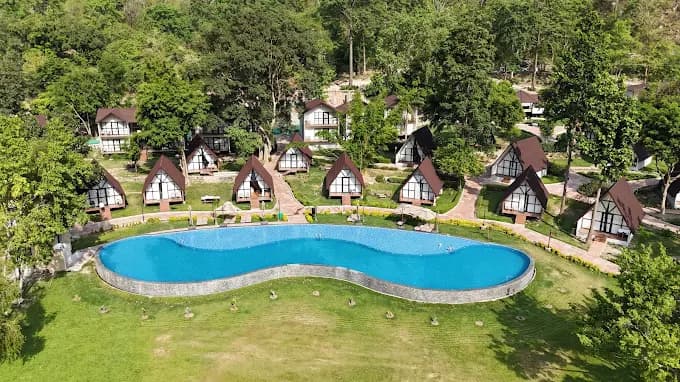
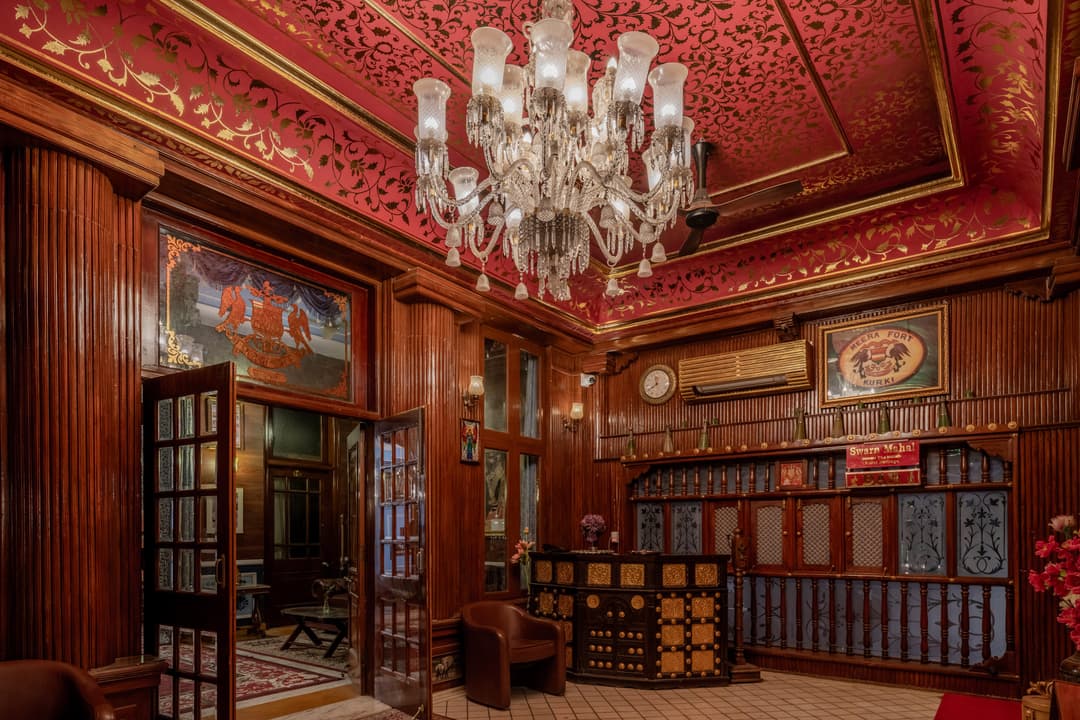
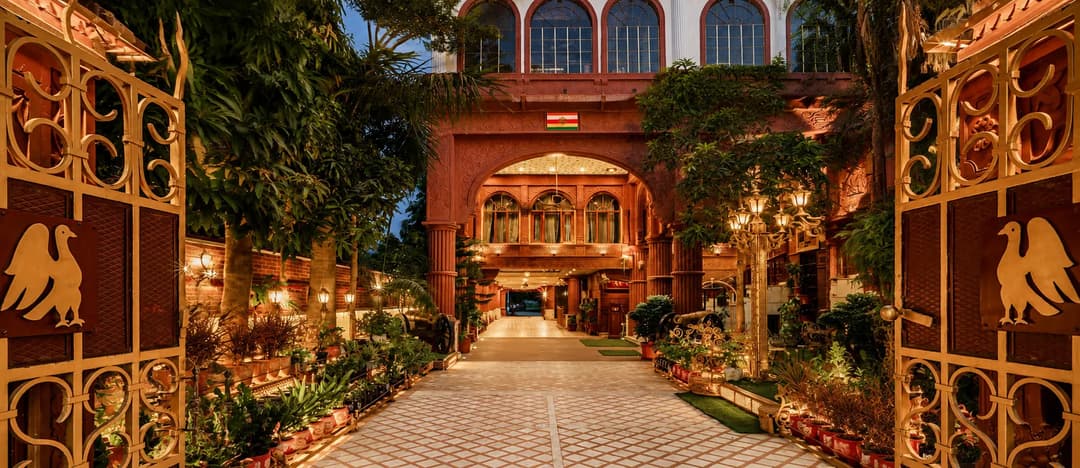
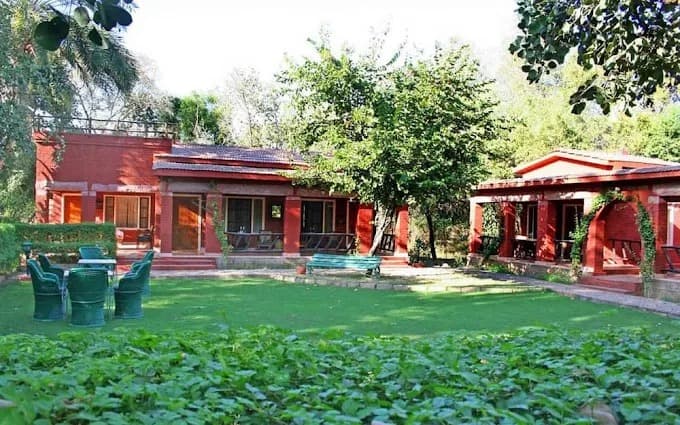
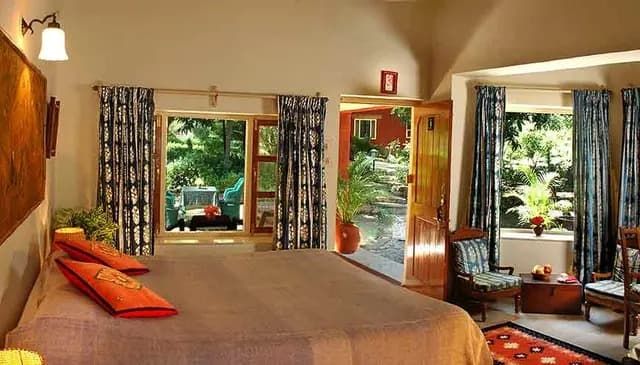
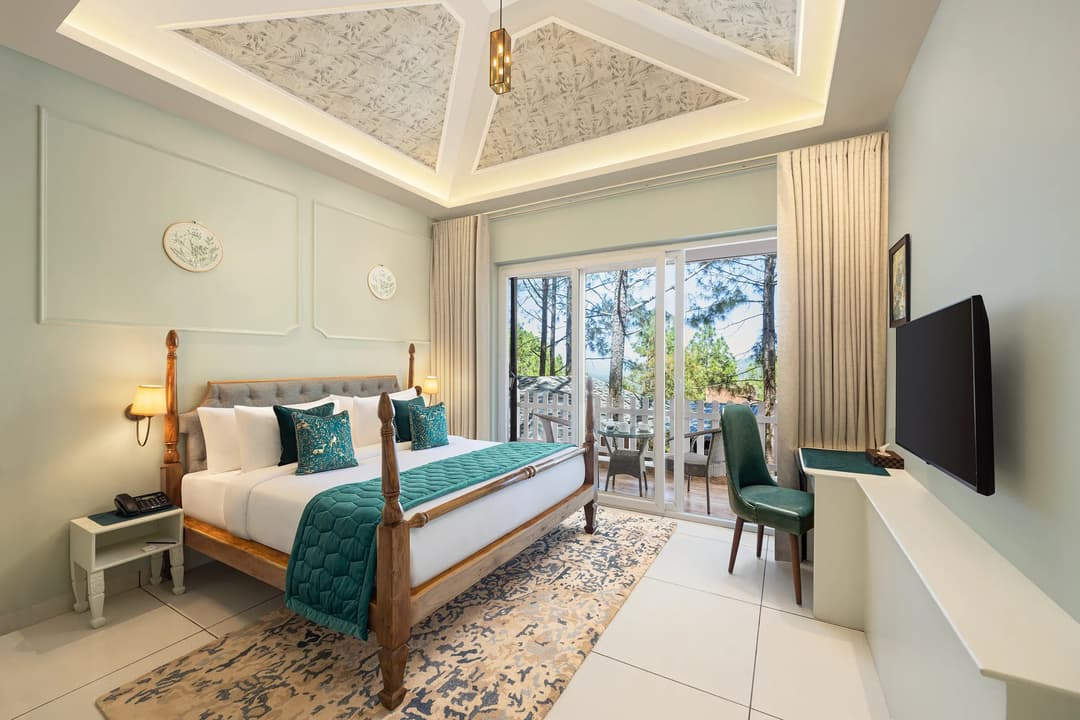
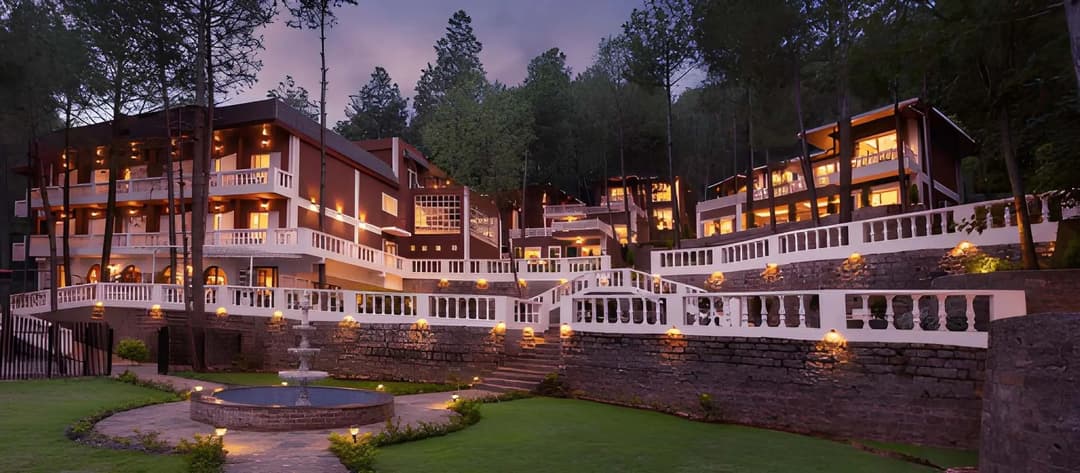
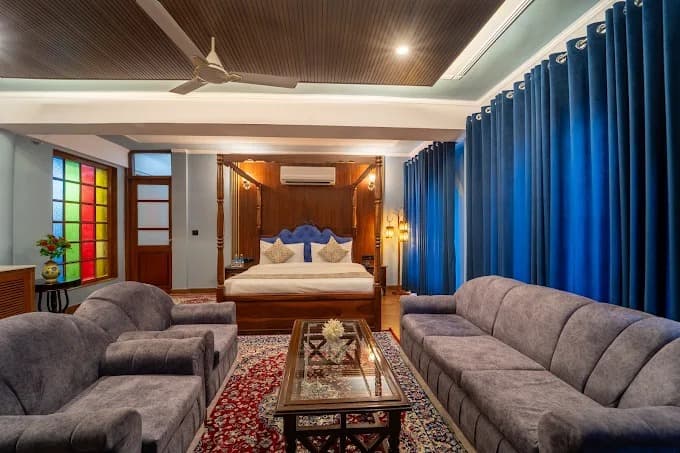
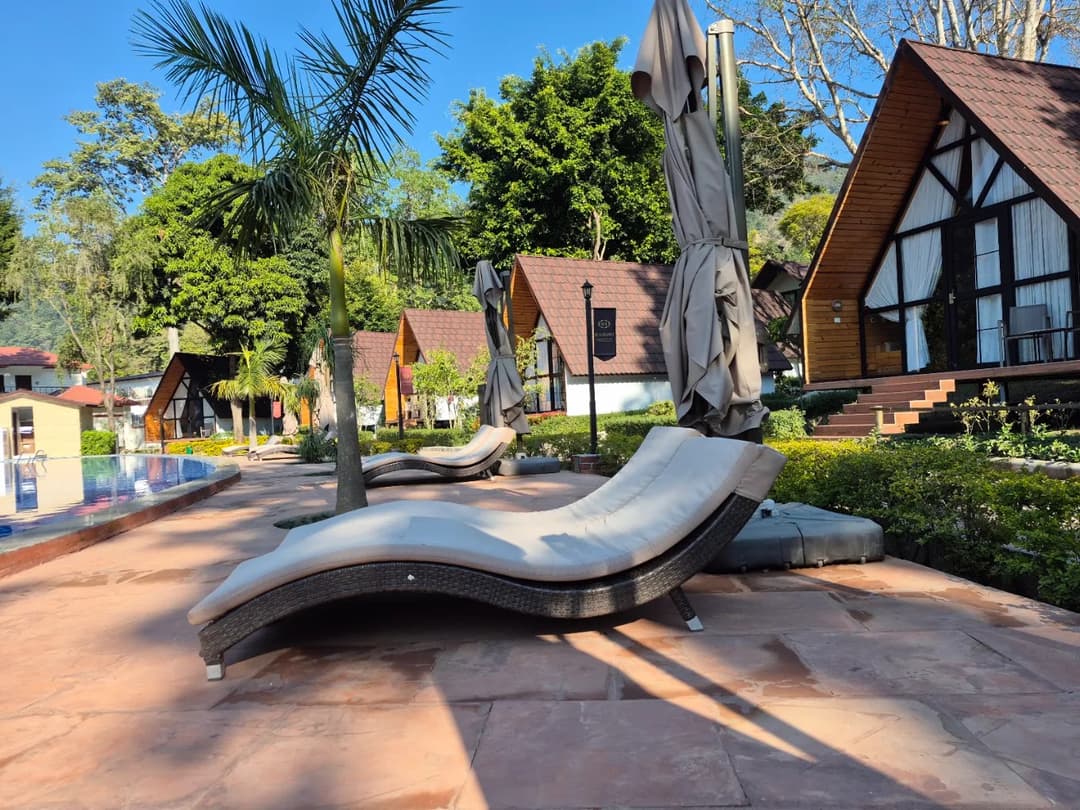
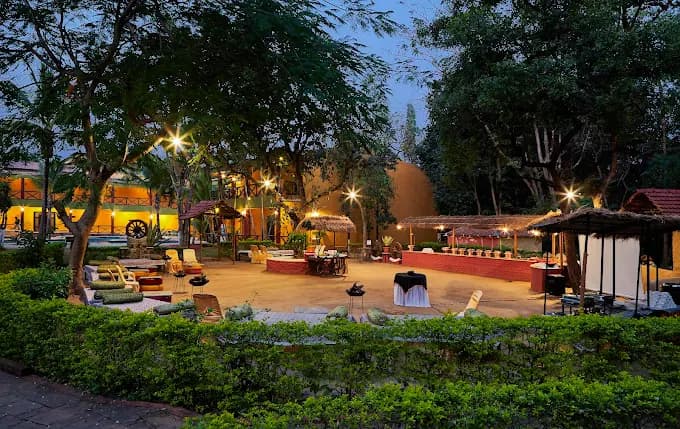
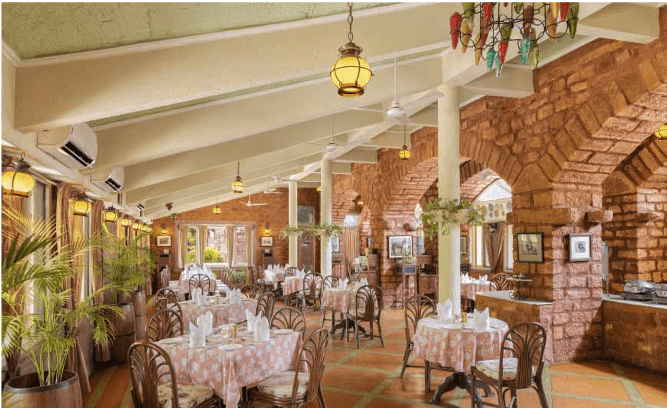
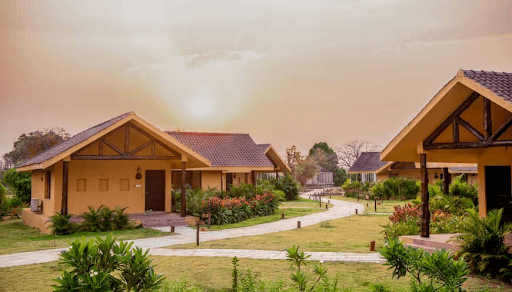
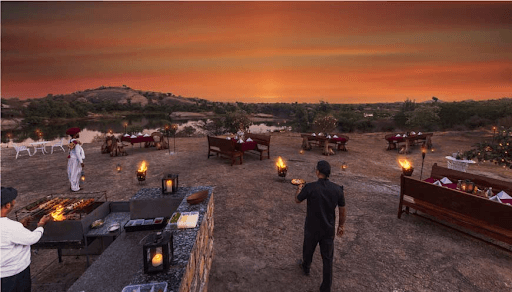
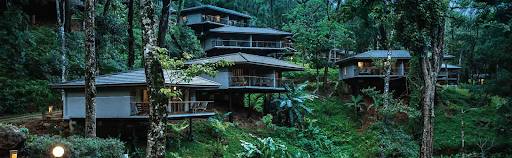
Set amidst the granite boulders of the Aravallis, WelcomHeritage Cheetahgarh Resort & Spa places guests close to Jawai’s leopard territory, Rabari settlements, and the Jawai Dam landscape. Luxury tents, a spa, pool, and signature WelcomHeritage hospitality complete a stay where the safari experience begins even before the jeep ride does.
The wilderness is outside the window. The resort takes care of the rest.

3381861143.jpg&w=1080&q=75)
86441.jpg&w=1080&q=75)
94919.jpg&w=1080&q=75)