Panchkula Hill Station Destinations You Should Visit
The hill station conversation in North India jumps from the plains to Shimla, Mussoorie, Dharamshala. The Shivalik foothills sitting immediately east of Chandigarh, the first ridge of the Himalayan system, the zone where the plains end and the elevation begins, gets skipped in this conversation entirely.
That's the specific oversight that the panchkula hill station geography corrects.
Panchkula isn't Shimla. It doesn't pretend to be. What it is, the starting point of the Shivalik range, the gateway to the Morni Hills, the district where the plains traveller encounters the first genuine elevation without the four-hour drive that the famous hill stations require. The specific combination of planned city infrastructure and natural hill access that neither the pure city nor the pure hill station produces.
For the Chandigarh visitor, the Delhi weekend traveller, and the Punjab family whose hill station brief doesn't extend to the Himachal border, Panchkula is the correct answer that most people haven't thought to look for.
The Morni Hills, Where the Hill Station Character Actually Lives
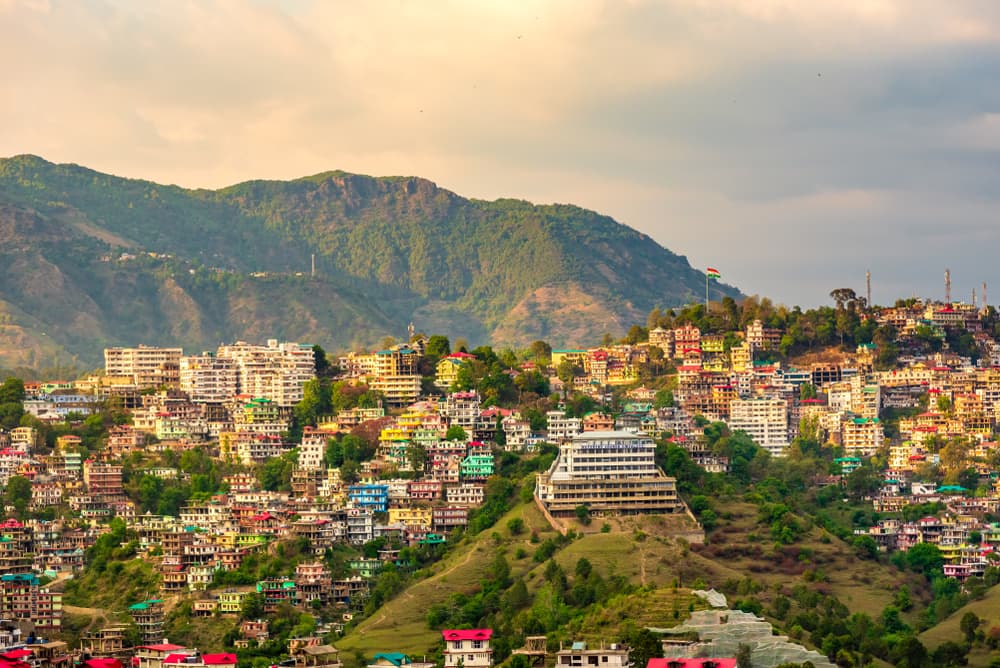
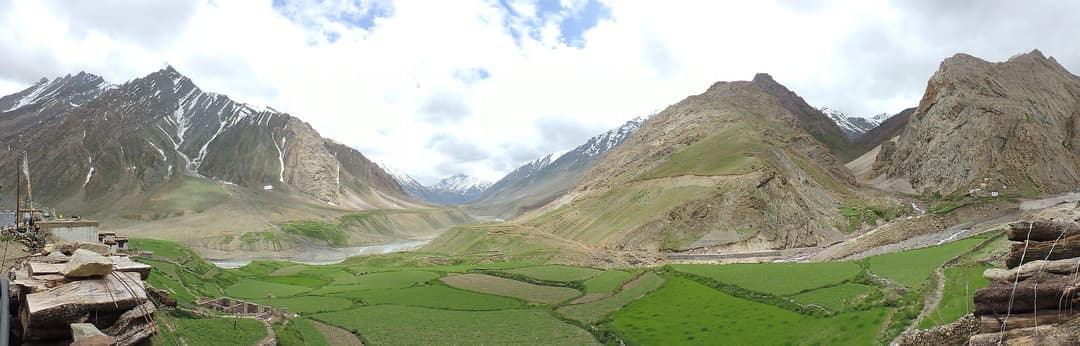
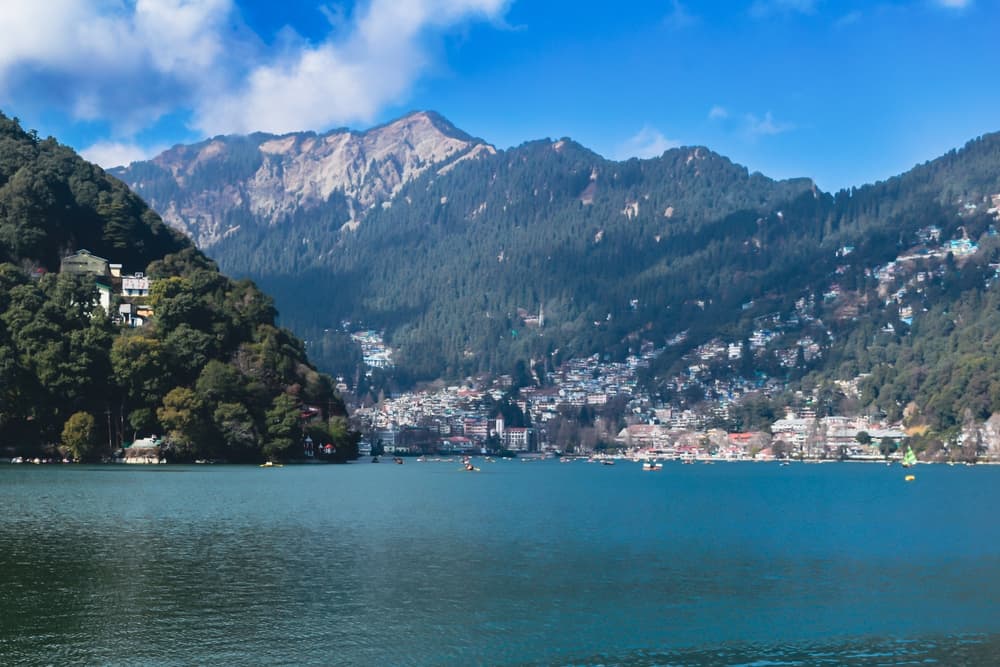
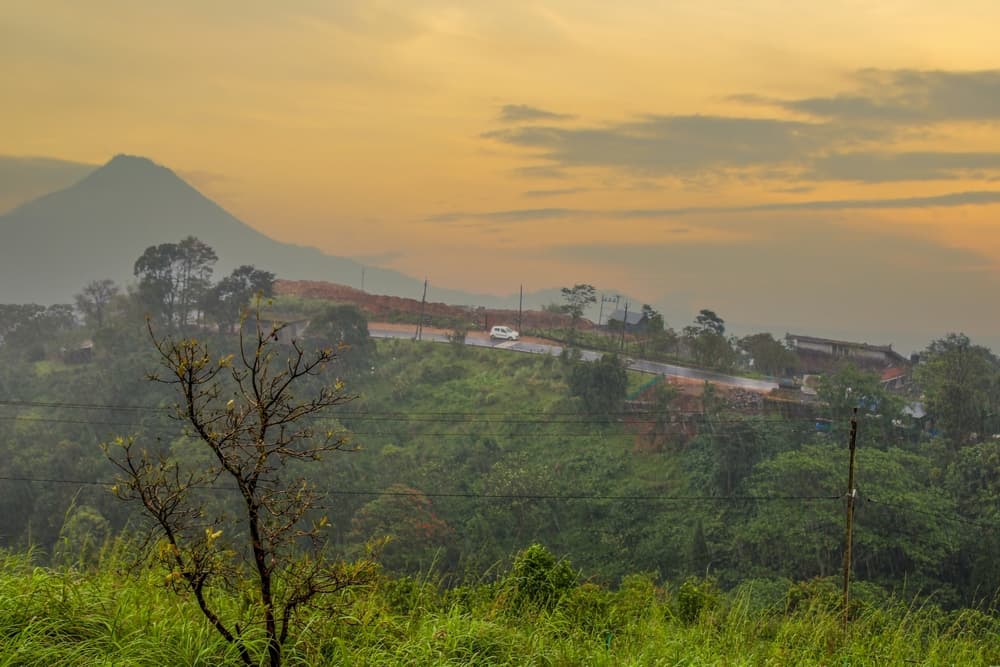
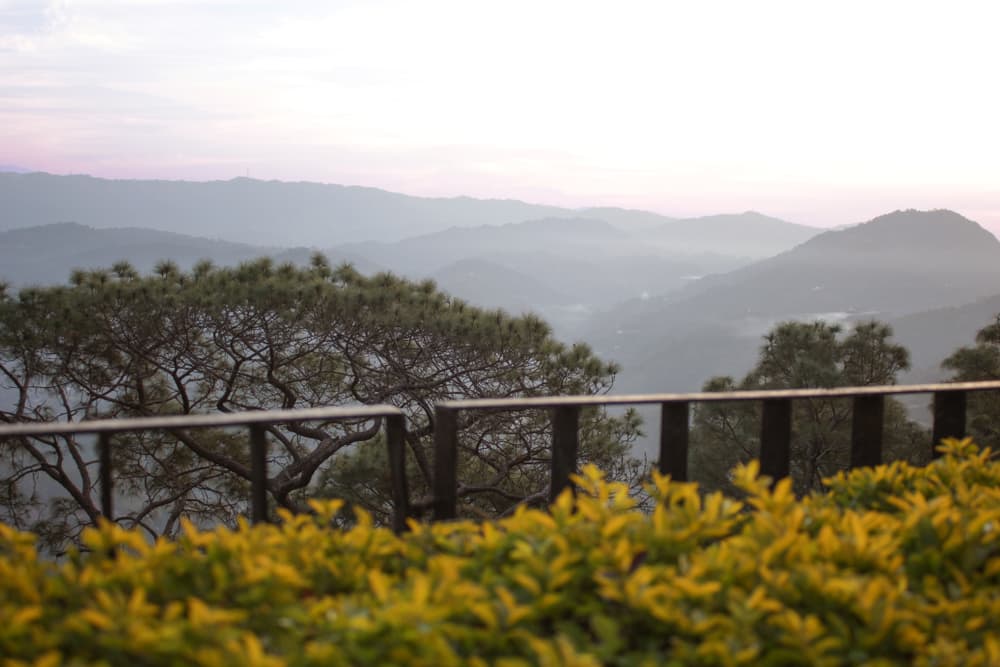
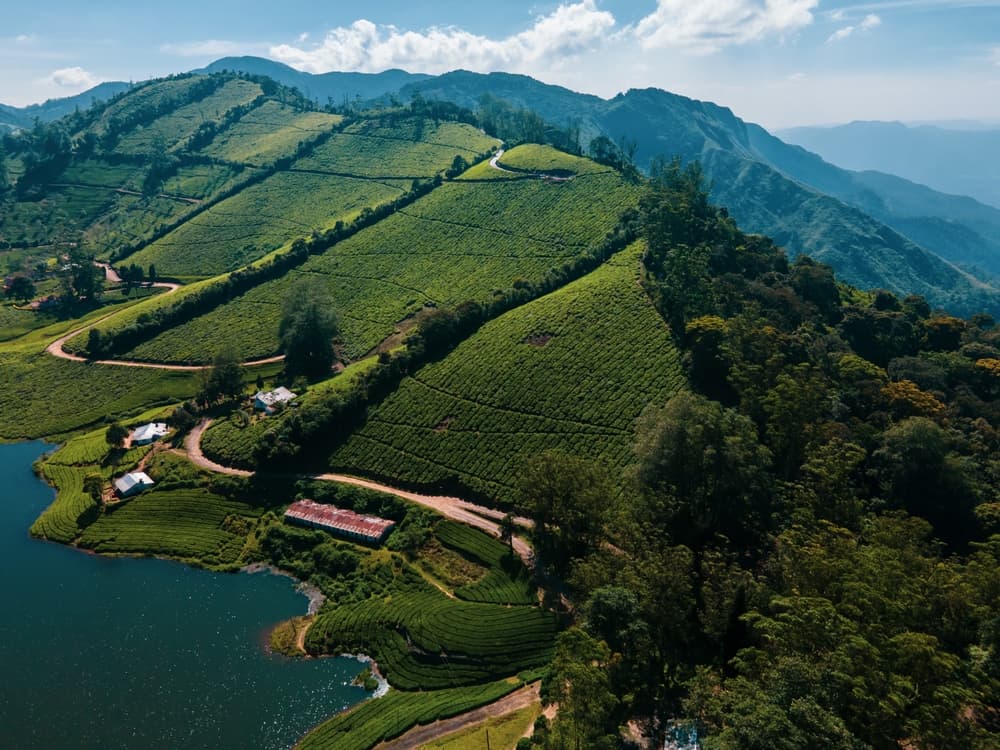
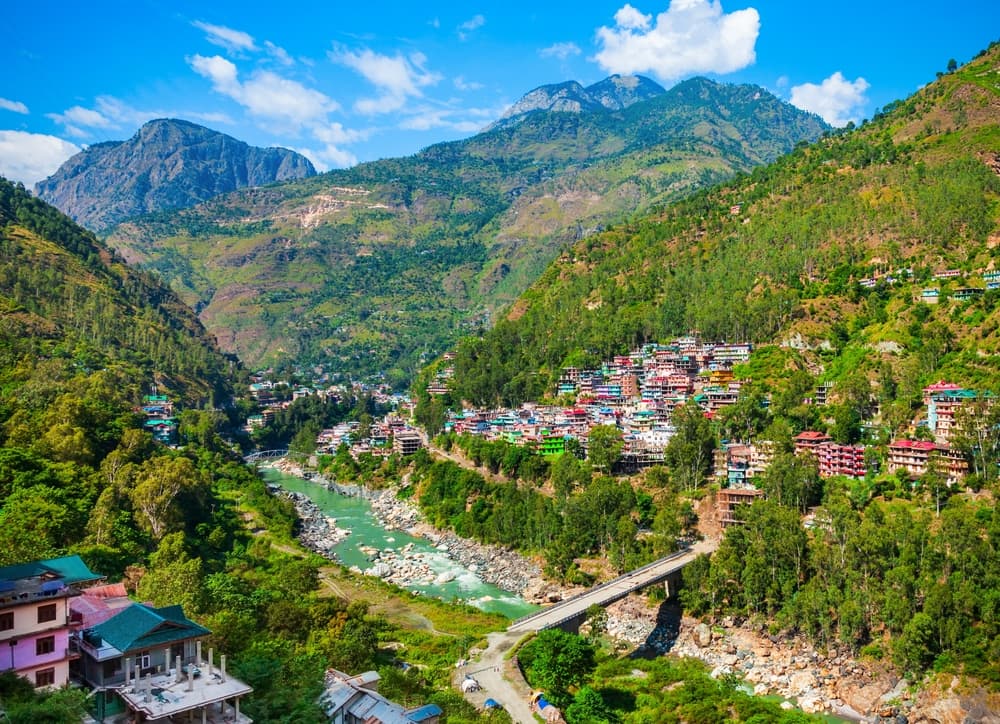
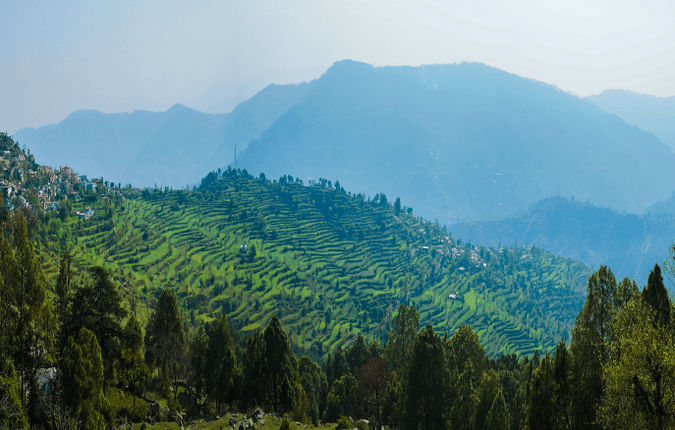
The panchkula hill station experience concentrates in the Morni Hills, the Shivalik range rising to approximately 1,200 metres approximately 45 kilometres east of Panchkula city. The forested hills, the twin Tikkar Taal lakes sitting in the valley below the ridge, the nature trails through the mixed forest that the Shivalik elevation produces.
Morni is the hill station that Haryana has and doesn't advertise loudly enough. The reason, Himachal Pradesh starts shortly beyond it and the famous destinations pull the tourist traffic further without most visitors realising that the landscape they came for starts at Morni rather than 50 kilometres beyond it.
The Morni Fort on the ridge, the historical remnant whose position above the valley delivers the Shivalik panorama that the drive-through visitor misses by staying in the vehicle. The Thakur Dwar Temple complex. The specific bird life that the elevation transition produces, the zone between the plains and the proper hills holding the mixed species assemblage that serious birders find consistently interesting.
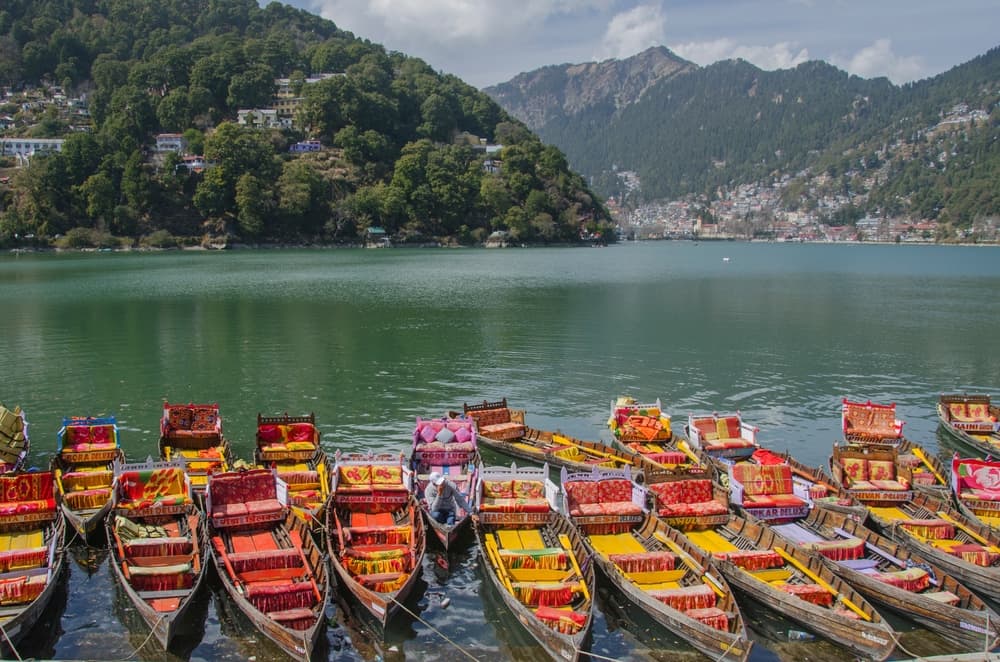
The Tikkar Taal lakes in the morning before the weekend crowd arrives from Chandigarh, the forest reflected in the still water, the bird activity at the margins, the specific quality of a Shivalik morning that the hill reputation promises and the early departure delivers.
Why Panchkula Works As a Hill Base
The Chandigarh corridor produces a specific travel logic. The city is planned, well-serviced, and excellently connected. The Shivalik hills are immediately adjacent. The combination, urban infrastructure supporting the hill escape rather than requiring the traveller to choose between them, is the panchkula hill station proposition.
The Kasauli road from Panchkula, the route through the Shivalik foothills that reaches Haryana's border with Himachal Pradesh and continues into the cantonment hill station. The Pinjore Gardens 15 kilometres from the city, the 17th century Mughal garden in the valley below the first Shivalik ridge, the heritage dimension that the hill station approach delivers without requiring a destination change.
The Chandigarh International Airport under an hour from the Panchkula-Morni corridor. The Chandigarh railway connectivity. The road access from Delhi, approximately 250 kilometres, that makes the Panchkula-Morni combination viable as a weekend destination from the capital without the highway traffic that the more famous Mussoorie and Shimla routes produce on Friday evenings.
The Outdoor Activities That the Shivalik Position Enables
The panchkula hill station geography produces a specific outdoor brief that the plains destination can't and the higher Himalayan destination over-complicates.
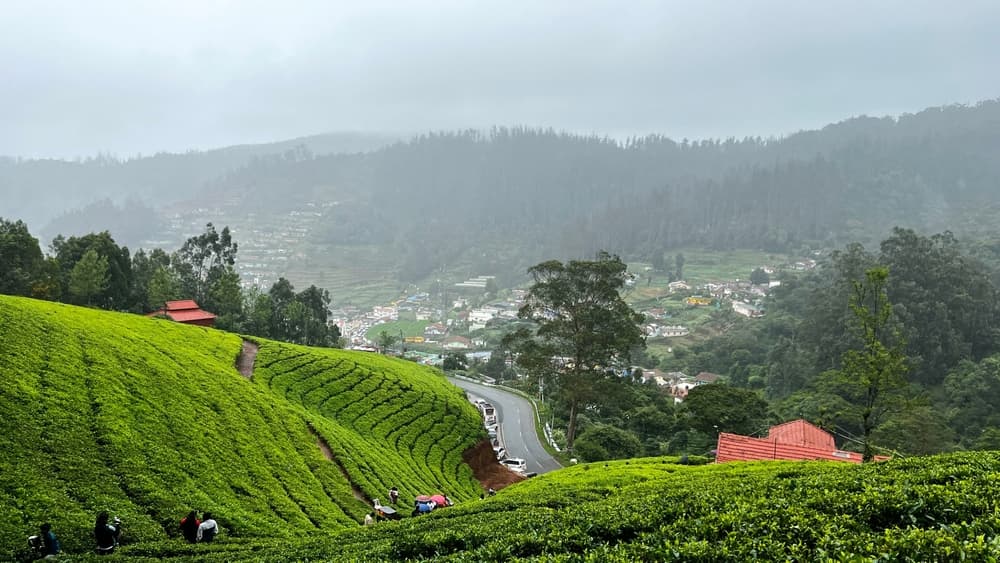
Trekking in the Morni Hills, the trails through the Shivalik mixed forest at a gradient that the first-time hill trekker handles comfortably and that the experienced trekker uses as the warm-up for the more technical routes further north. The forest cover that the Shivalik receives — denser than the higher Himalayan zone, the mixed deciduous character producing the bird diversity that makes the morning walk rewarding independently of the summit objective.
The Ghaggar River running through the Panchkula district, the seasonal river that the Shivalik drainage produces, the riverside walks along the embankment that the city's planning incorporated into the sector layout. The specific quality of a planned city that has green infrastructure as a design feature rather than an afterthought.
The Mansa Devi Temple on the Bilaspur road, the Shaktipeeth above the city, the ropeway to the upper temple, the Shivalik view from the temple position. The cultural and religious circuit that the hill base enables alongside the nature activity.
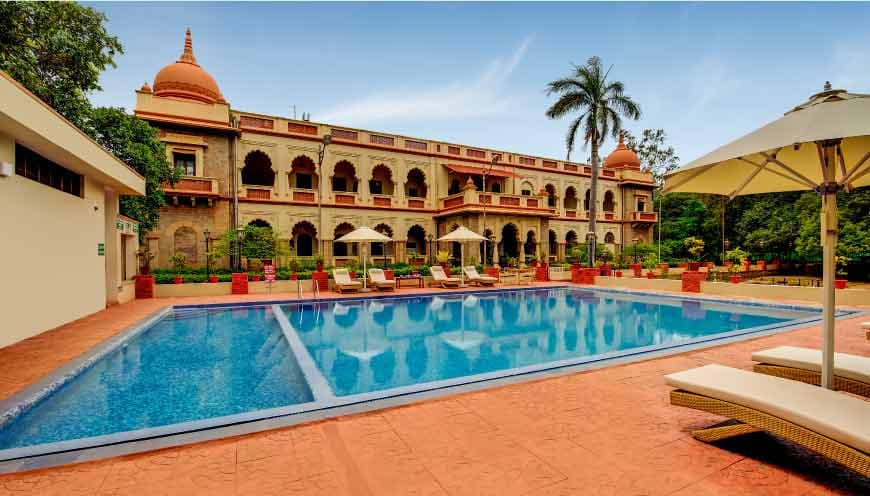
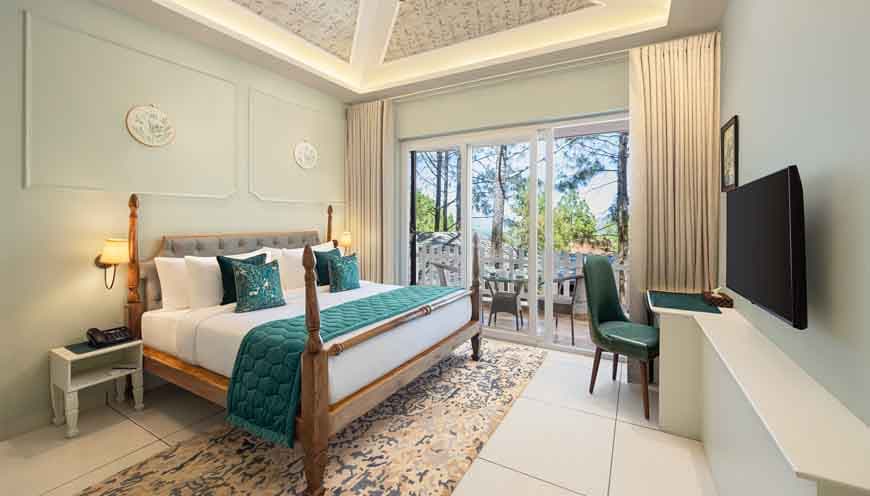
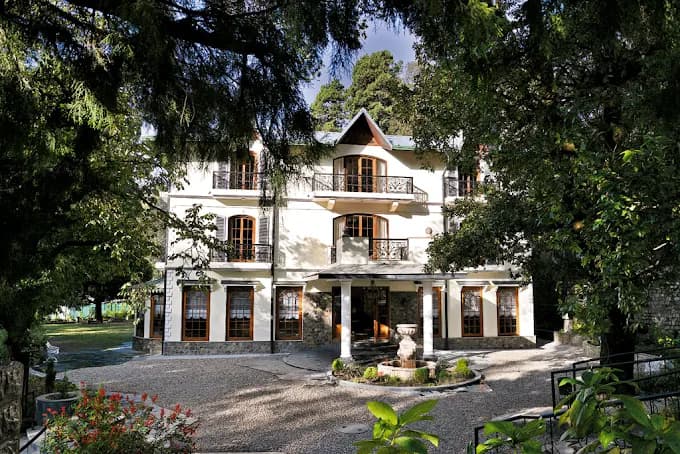
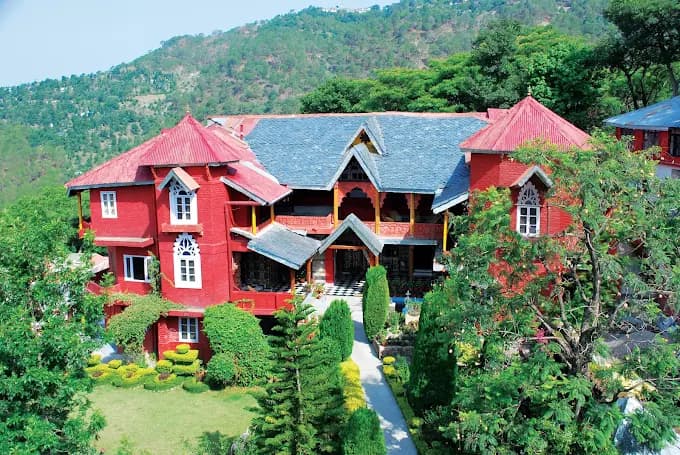
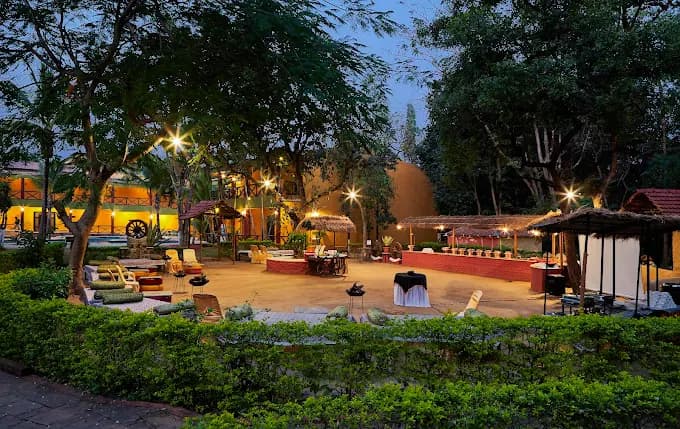
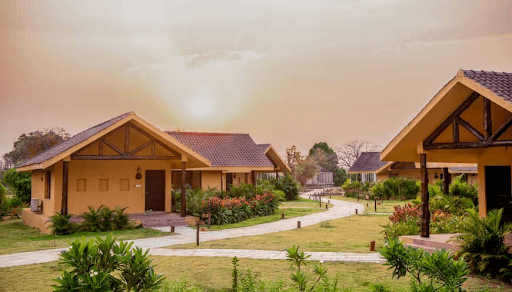
WelcomHeritage Ramgarh: The Heritage Base for the Panchkula Hills
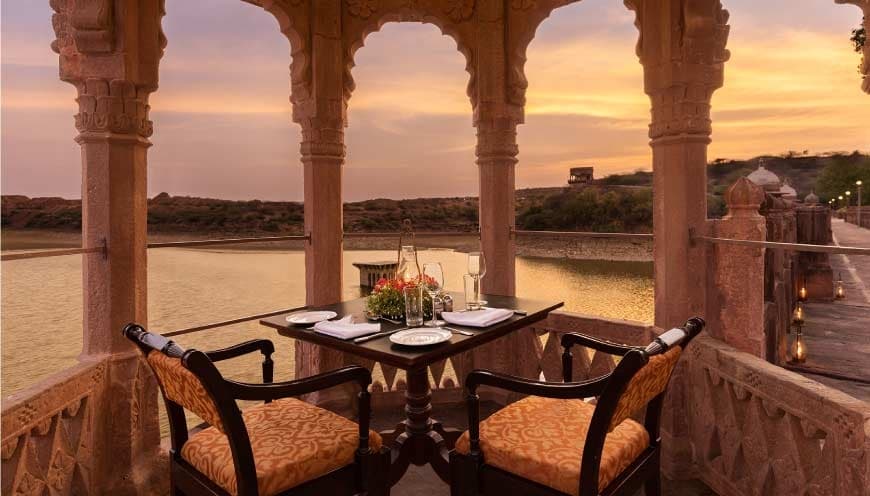
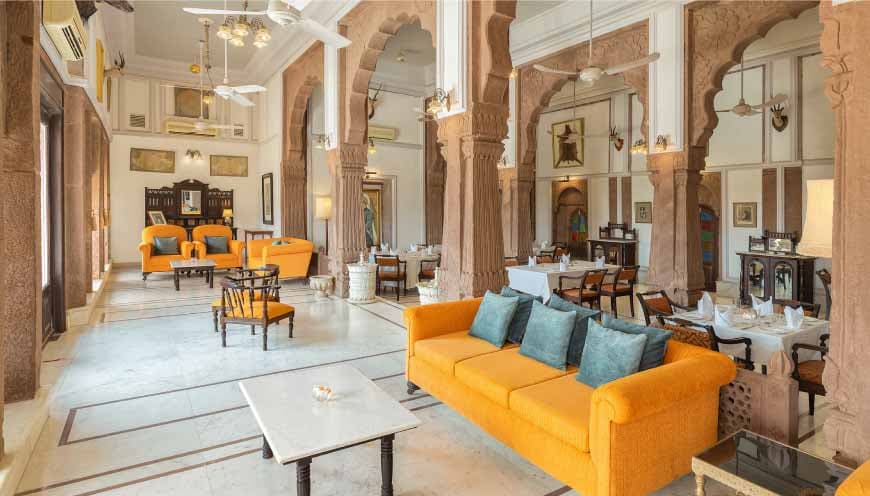
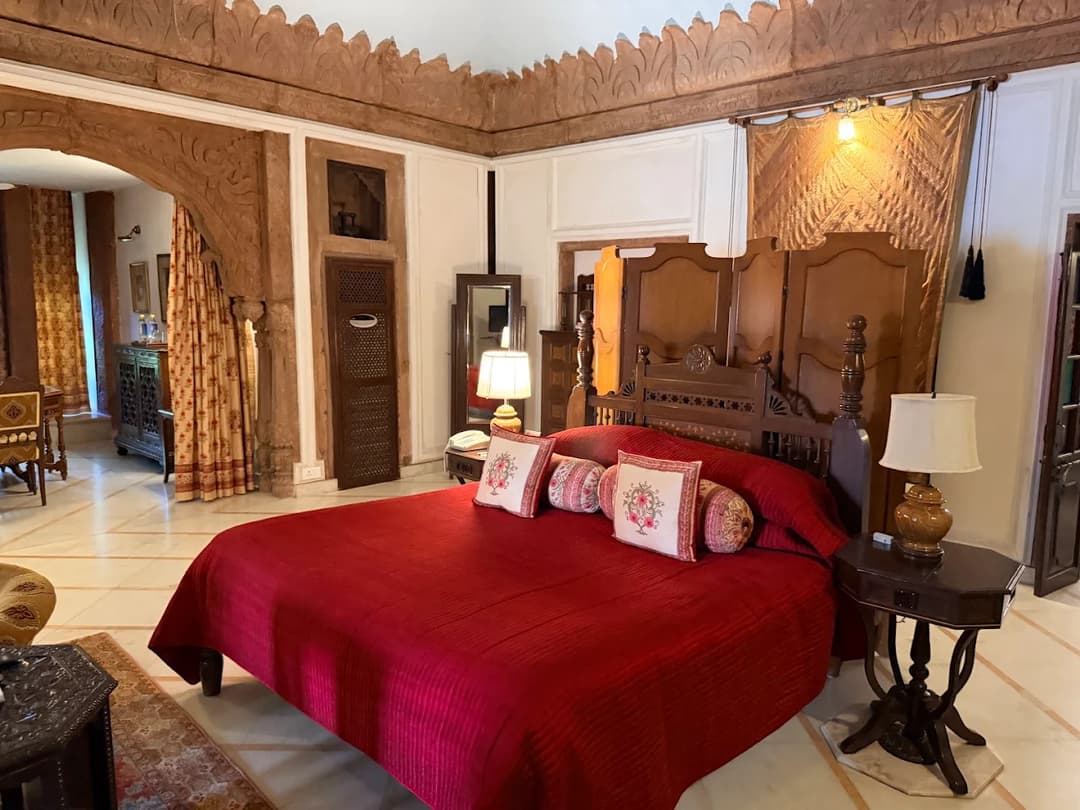
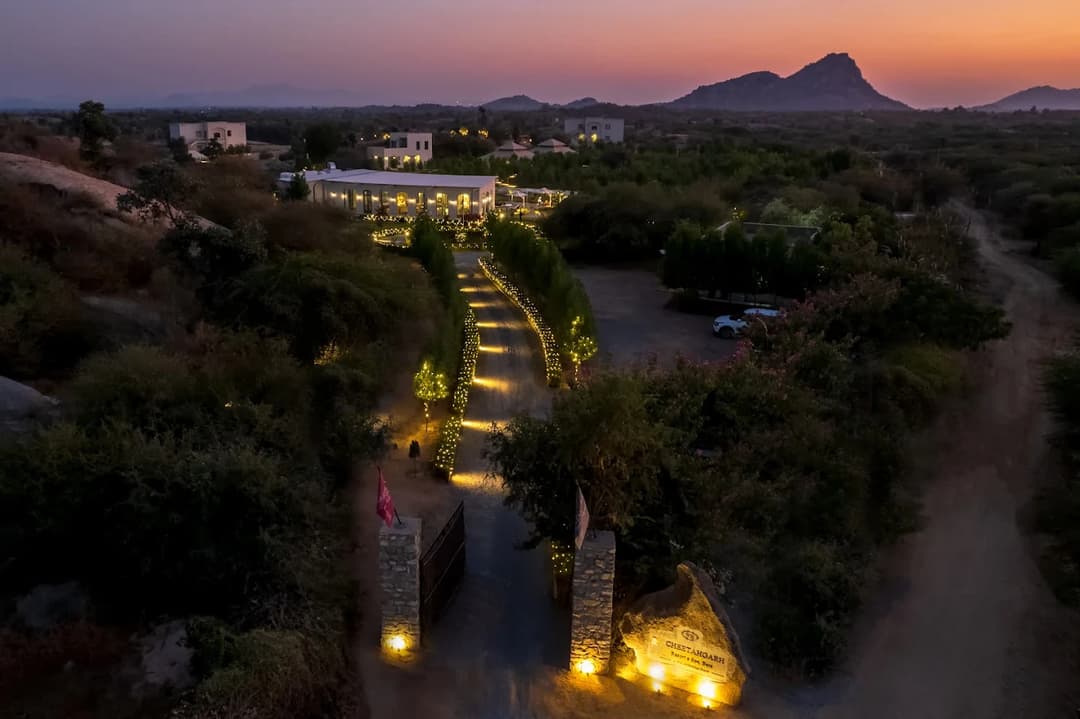
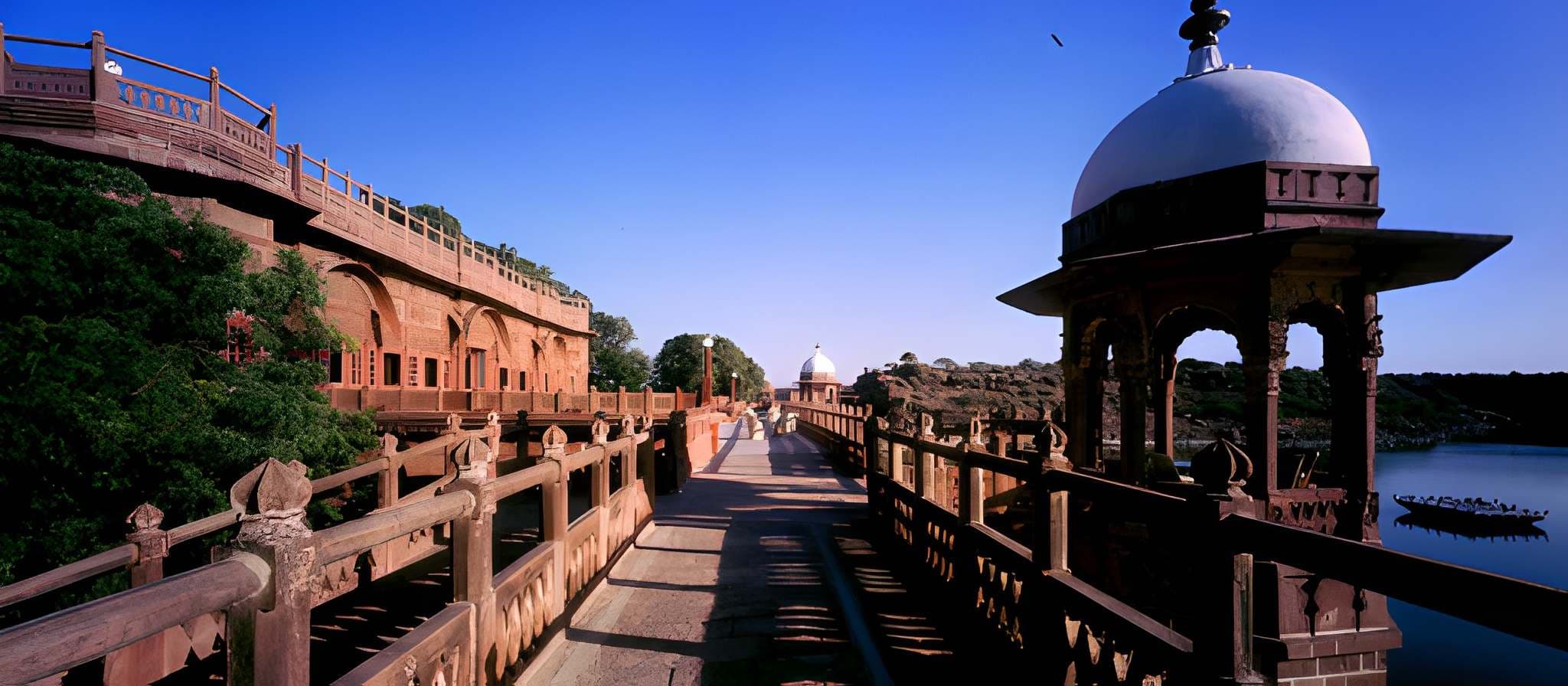
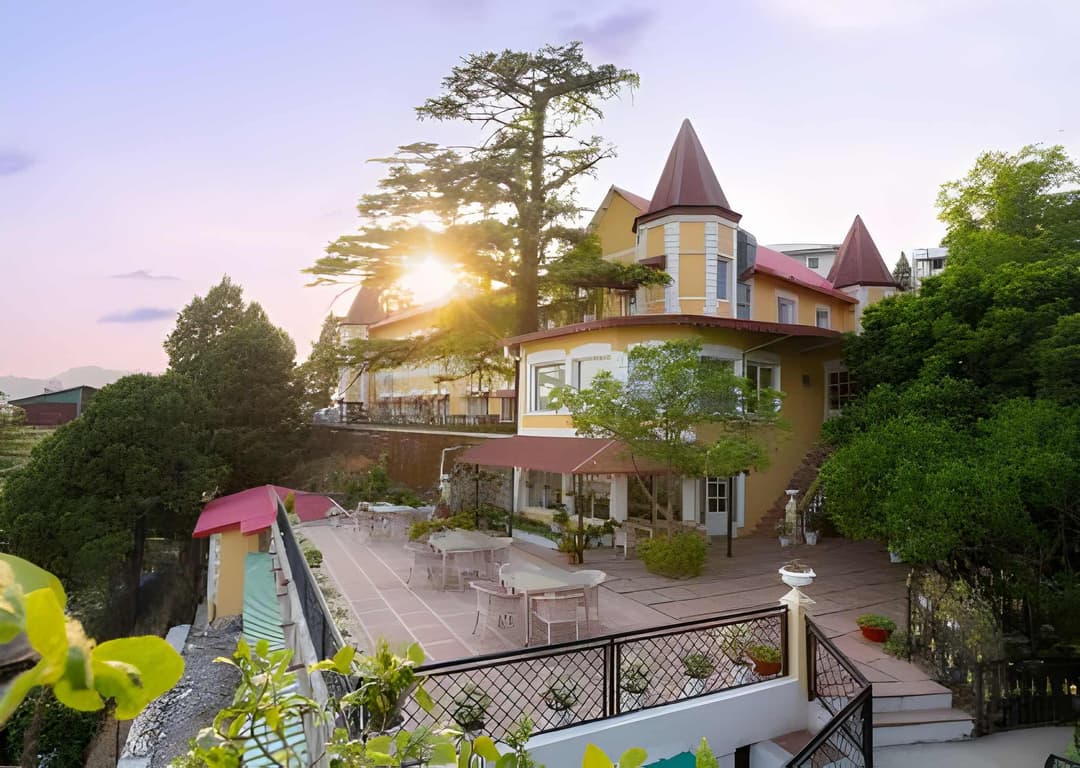
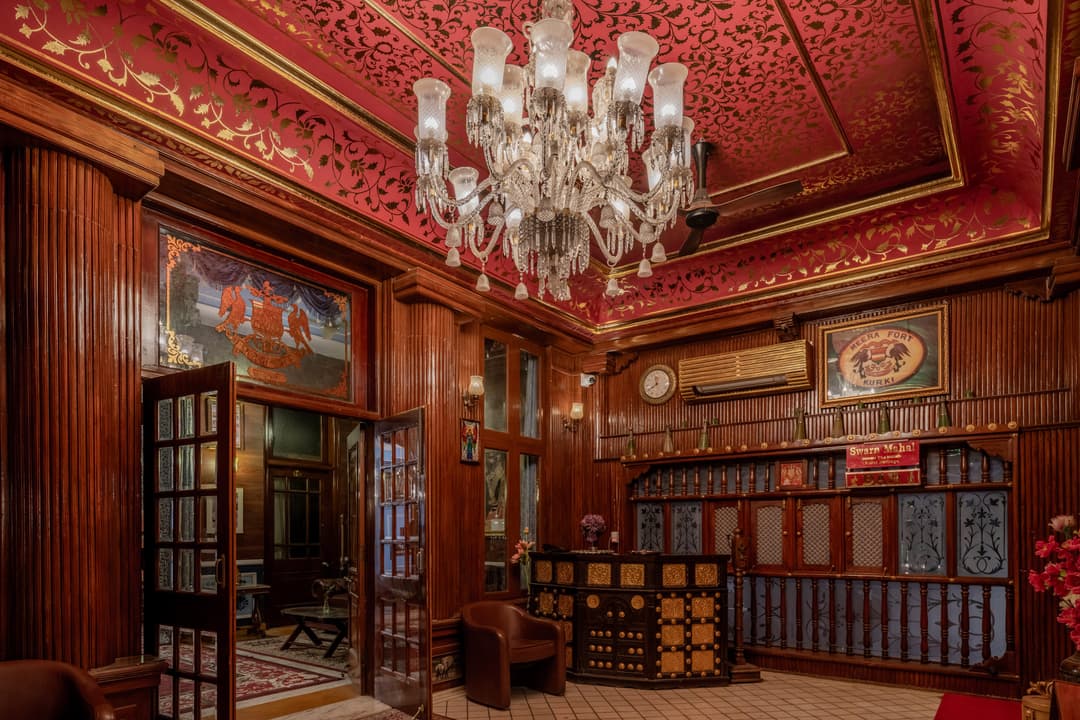
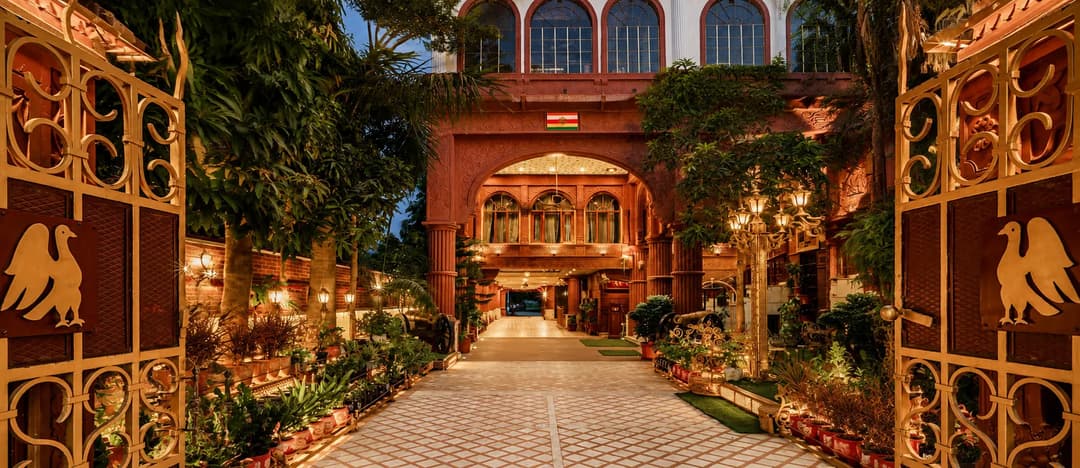
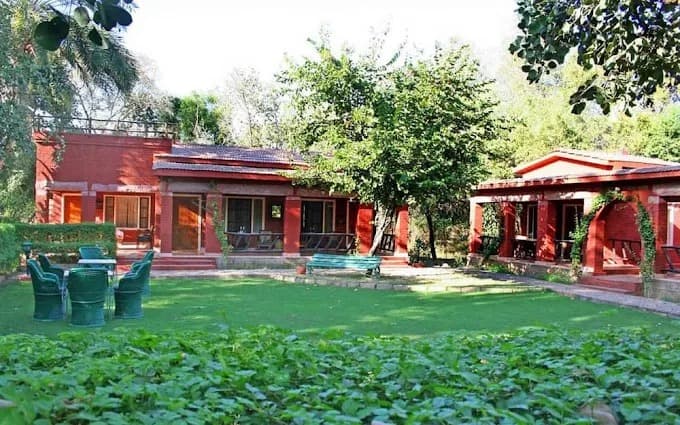
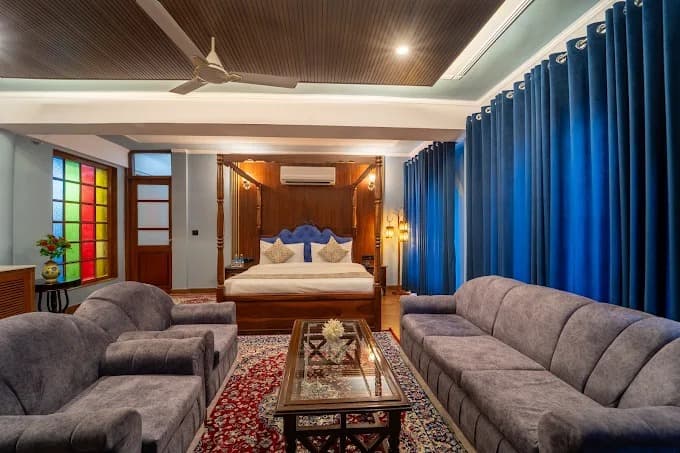
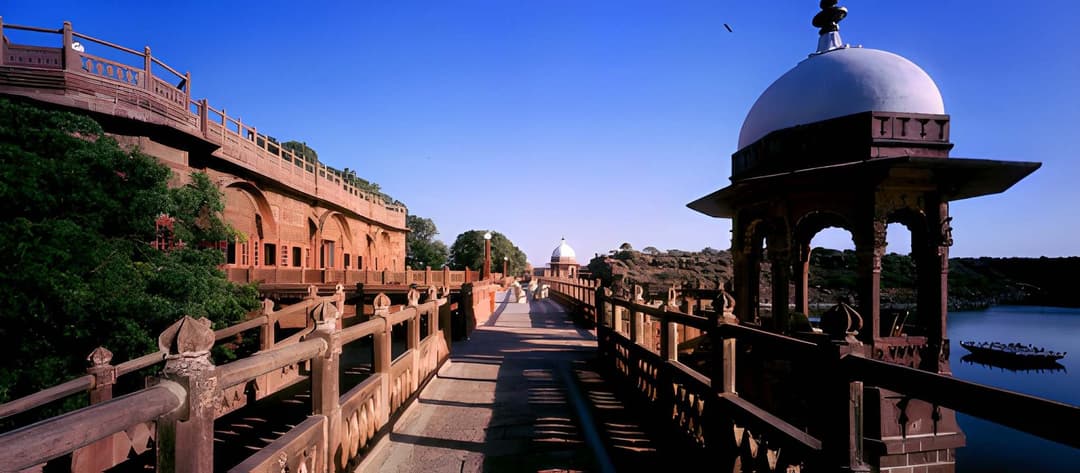
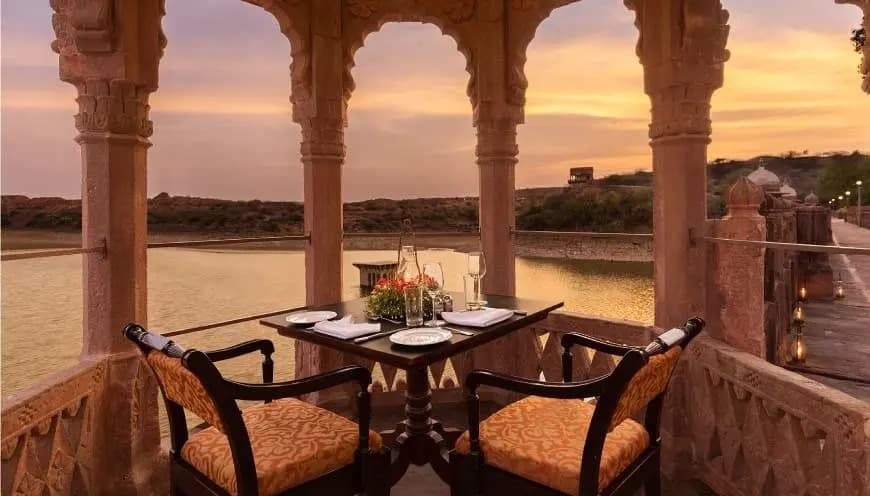
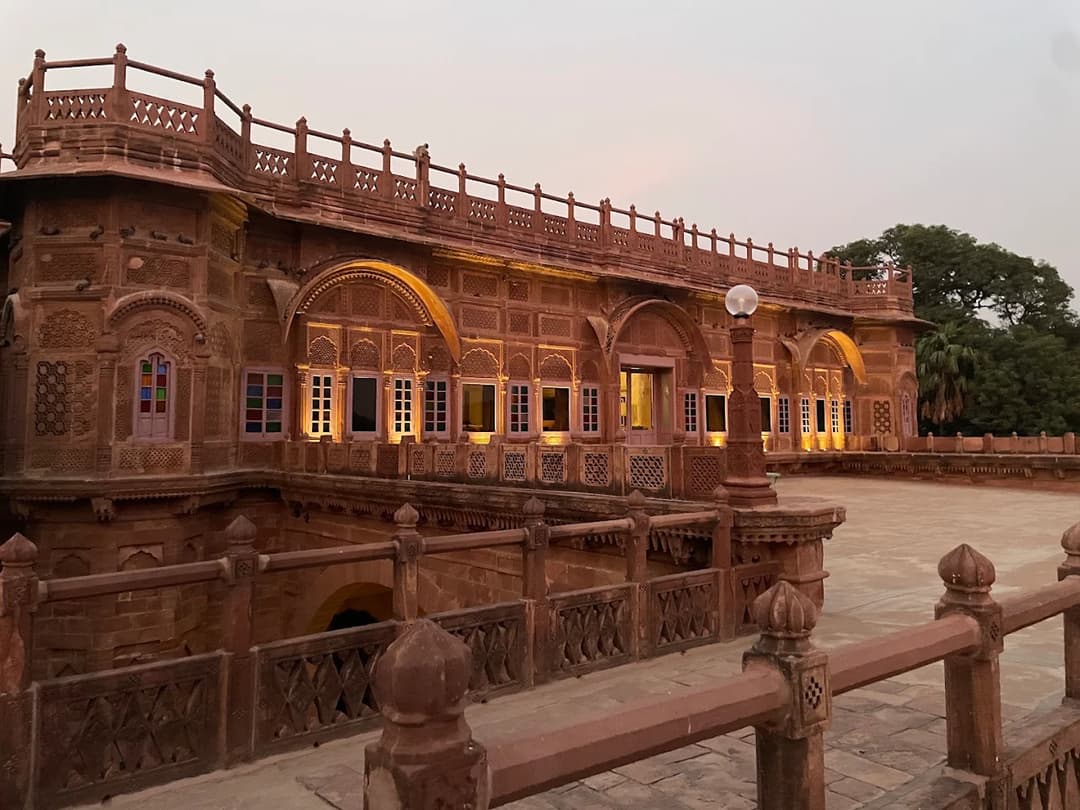
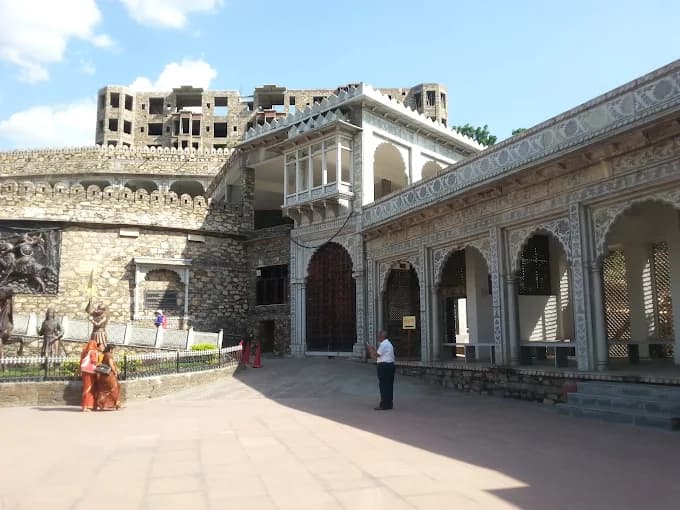
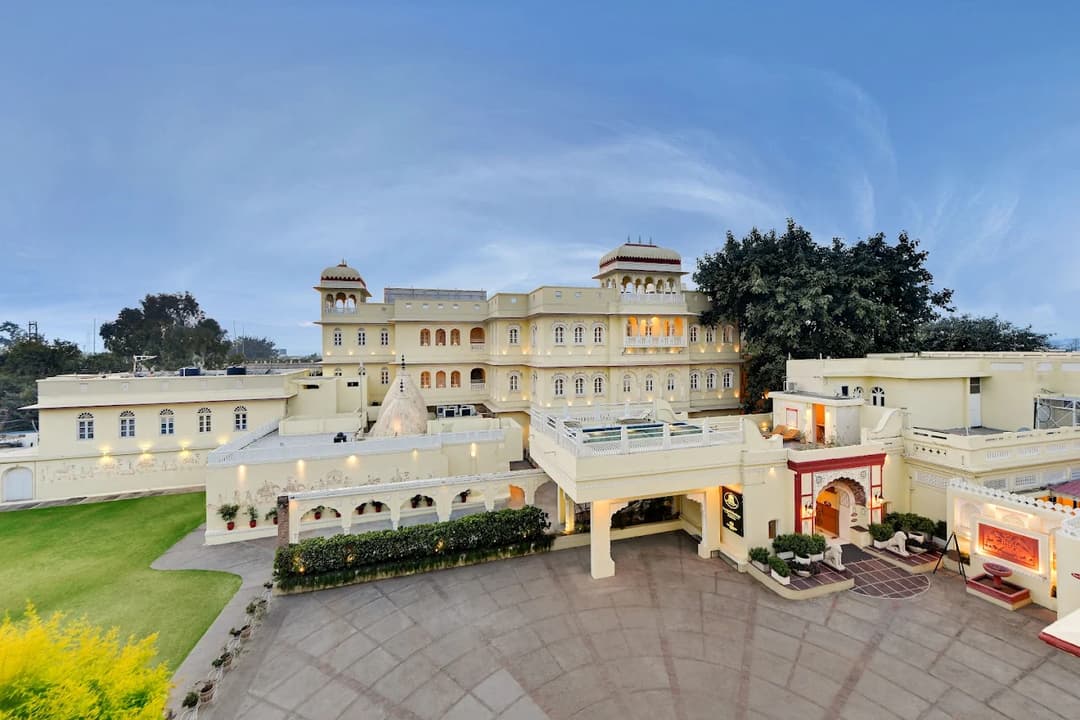
The Quila, inside a 325-year-old property whose eight generations of heritage are visible in the art, the antiques, and the architecture the WelcomHeritage restoration preserved.
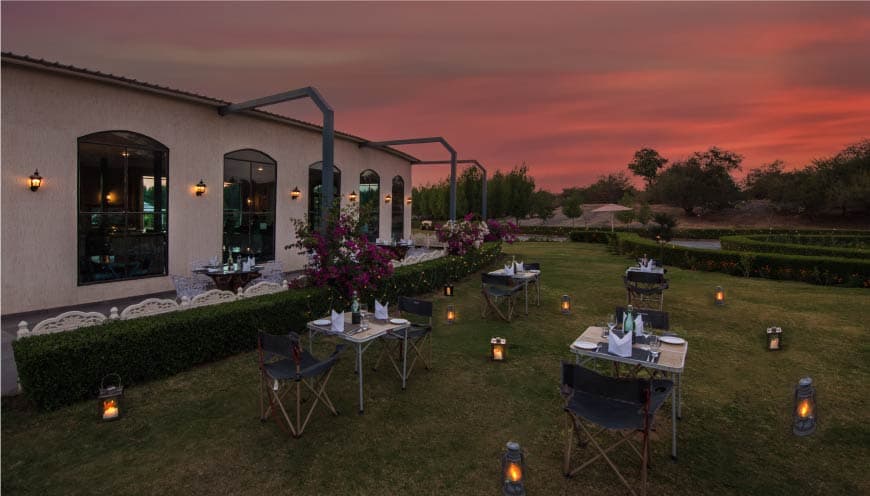
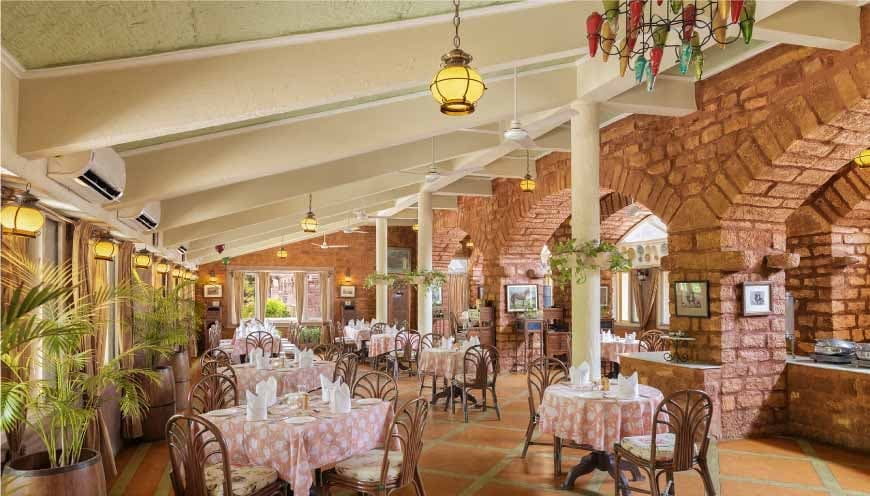
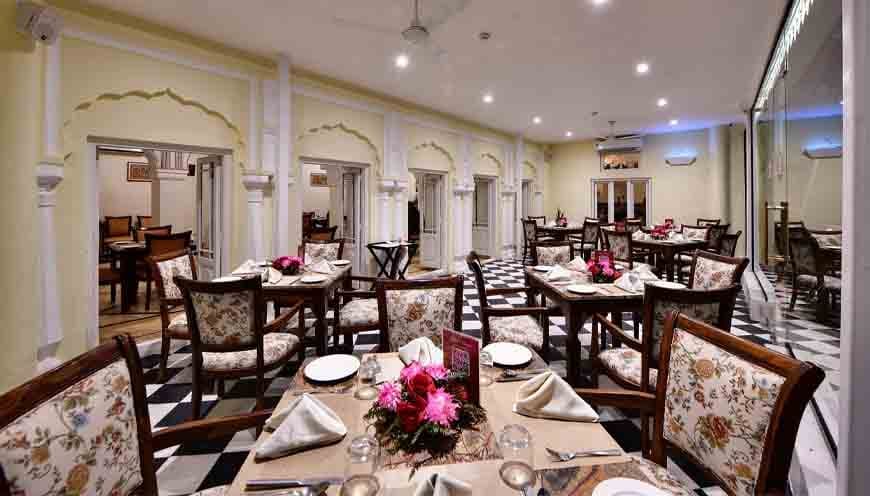
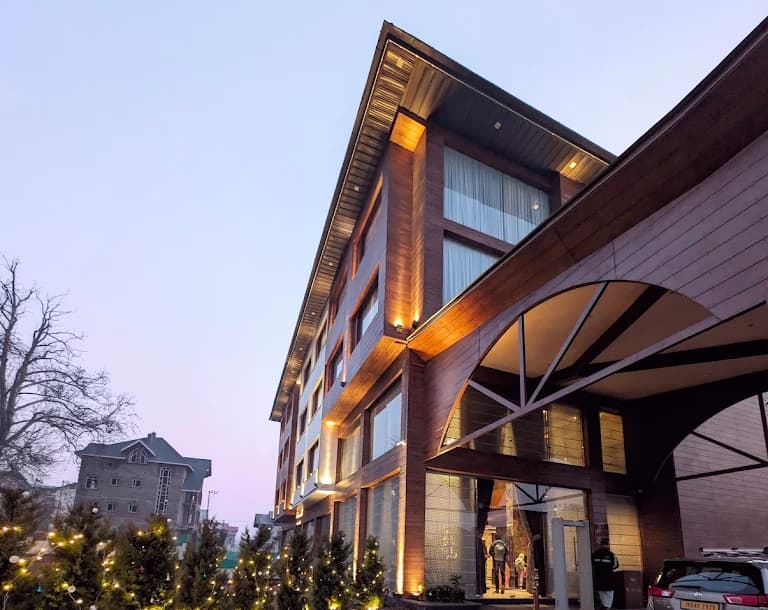
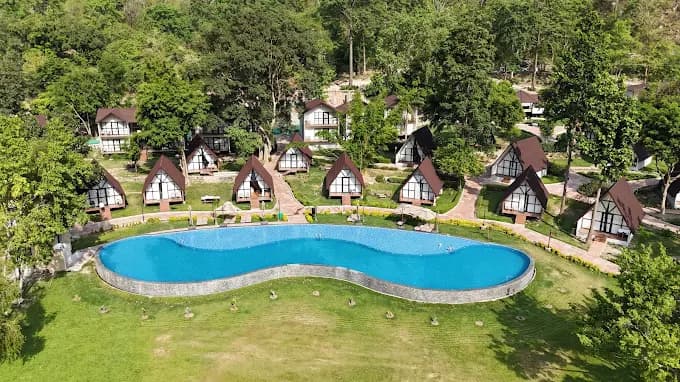
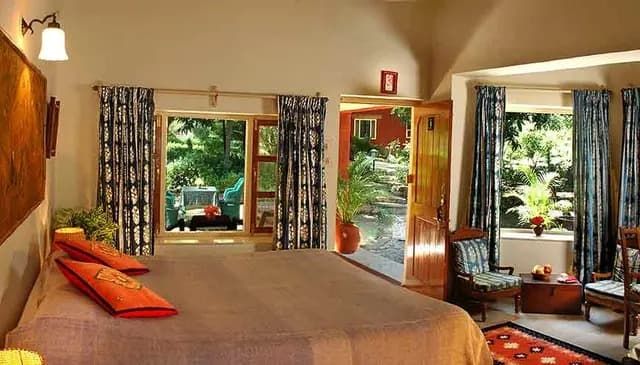
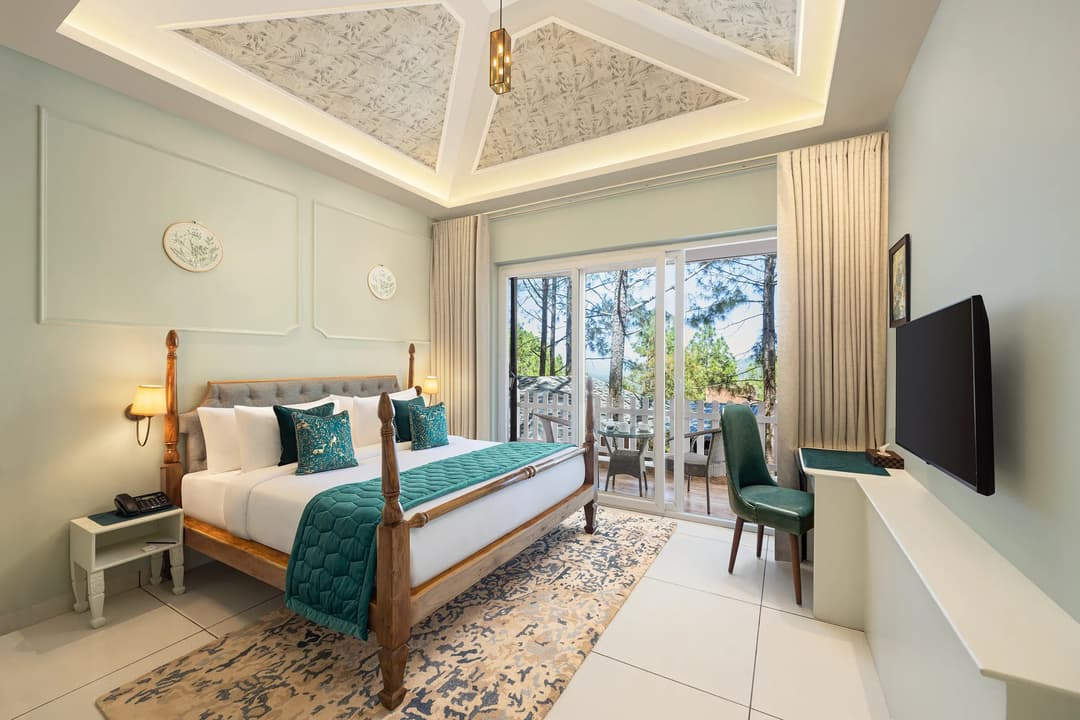
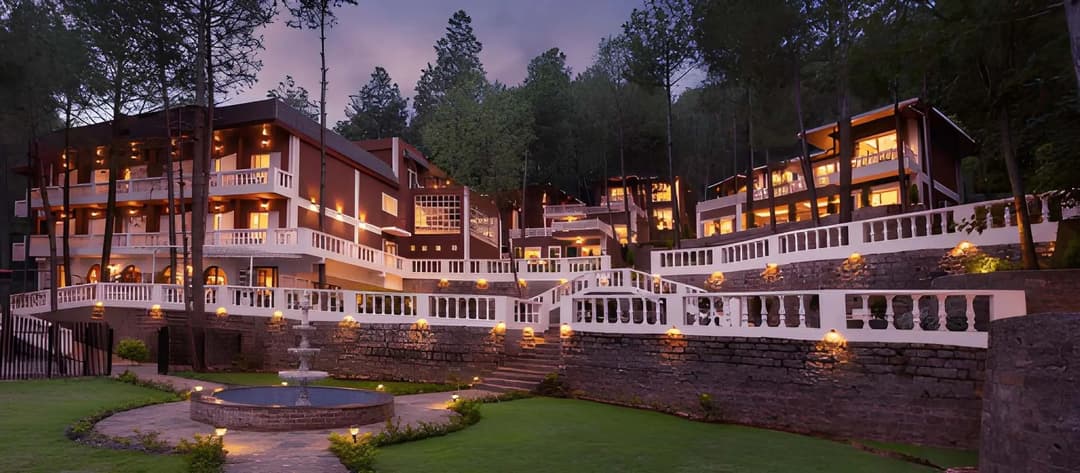
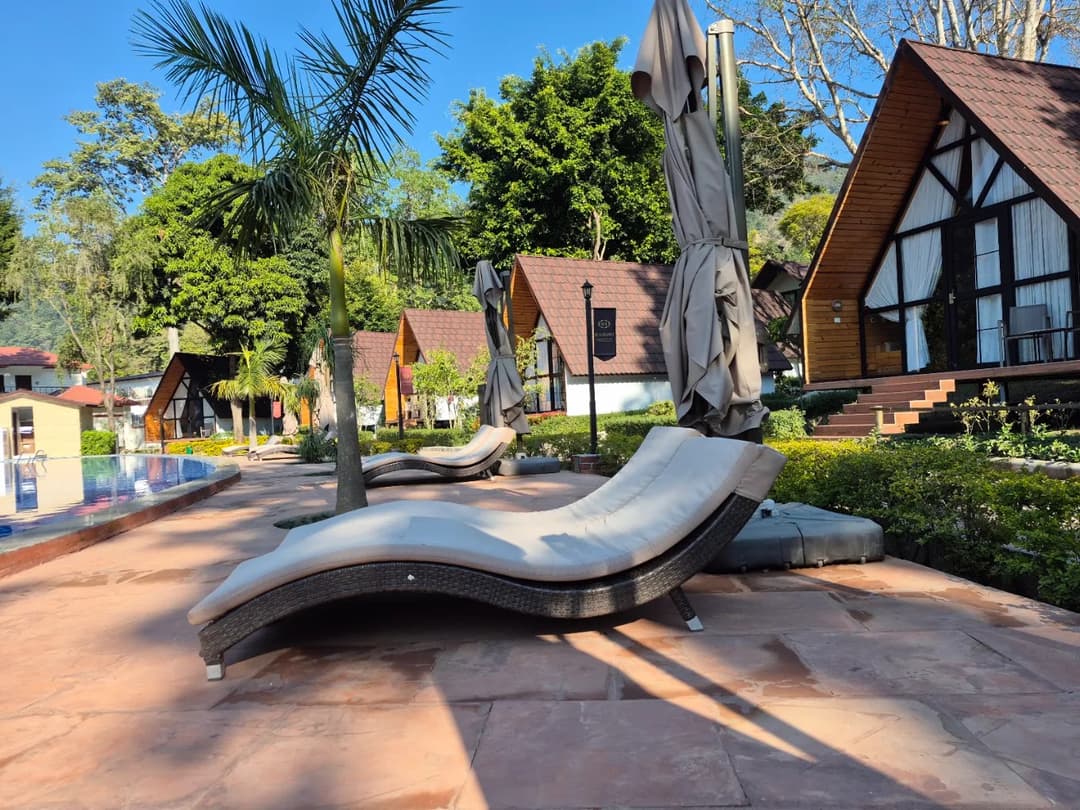
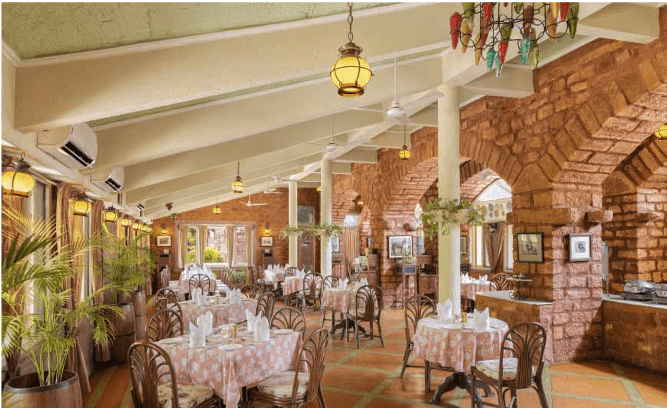
Multiple rooms and suites. All-day multi-cuisine restaurant. Two Durbar Halls, poolside, and a lawn handling gatherings from intimate to 500 guests. The Shikar Bar. The swimming pool in the landscaped grounds. Yoga sessions and arts and crafts workshops on the property. Morni Hills 5 kilometres out. Pinjore Gardens nearby. Chandigarh's Rock Garden accessible within 15 kilometres.
The heritage stay that makes the Panchkula hill base worth more than a transit night. Book at welcomheritagehotels.in.

3381861143.jpg&w=1080&q=75)
86441.jpg&w=1080&q=75)
94919.jpg&w=1080&q=75)