Best Heritage Havelis in India for an Authentic Cultural Stay
Why Heritage Havelis Do What Modern Hotels Cannot
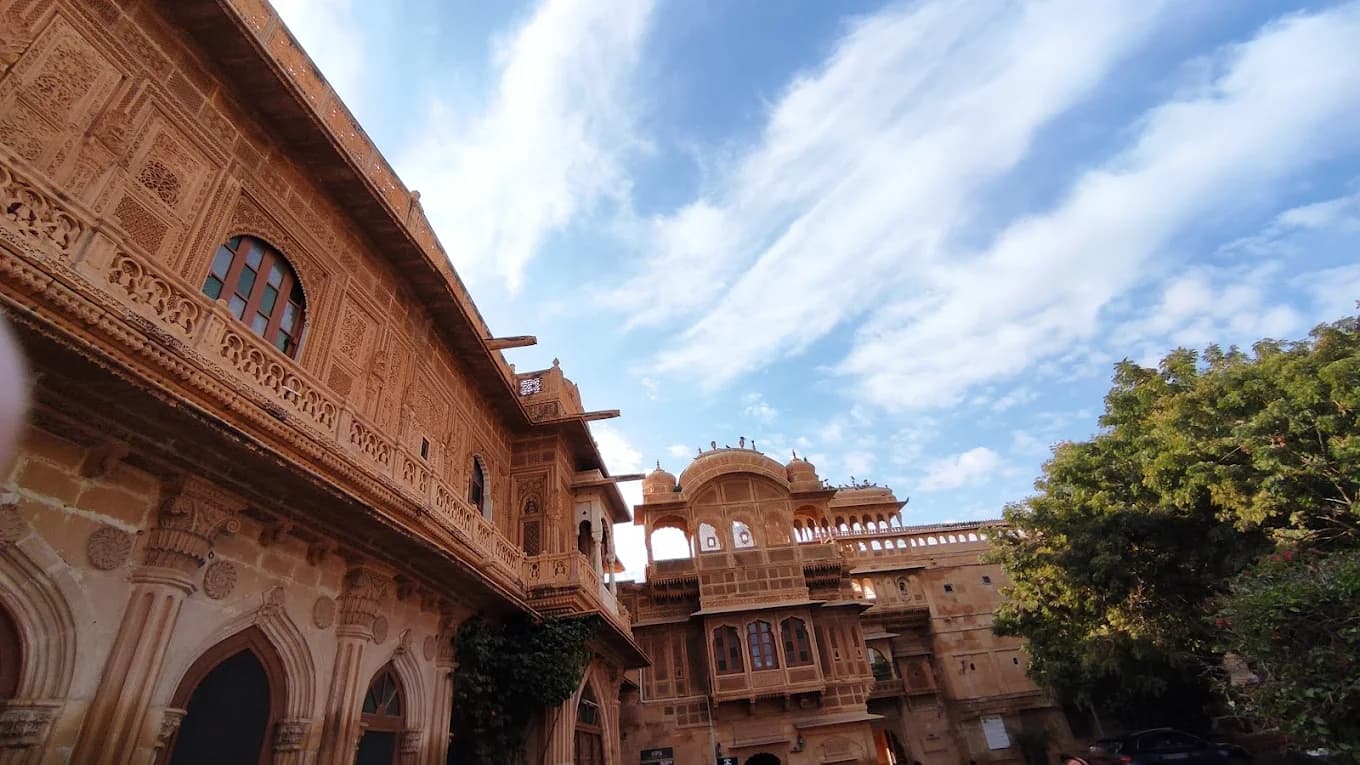
There is a version of India that the five-star hotel in the city centre has never been able to access. The painted courtyard that a merchant family commissioned in 1780. The carved wooden balcony that faces a market street running since the Mughal era. The specific smell of a haveli that has absorbed three centuries of incense and monsoon and cooking fires and jasmine. The best heritage havelis in Indiacarry this in the walls rather than in the brochure, and the guest who stays in one comes away with something that the luxury resort simply cannot manufacture regardless of the budget.
Heritage hospitality in India is not nostalgia. It's access. Access to architecture that took decades to build and would take a comparable fortune and a lost craft tradition to recreate. Access to the specific cultural geography of a place, the Shekhawati region's painted towns, the Rajput palace tradition of the Aravalli foothills, the colonial-era bungalows of the hill stations, that a modern property in the same postcode doesn't carry.
What to Expect from a Heritage Haveli Stay
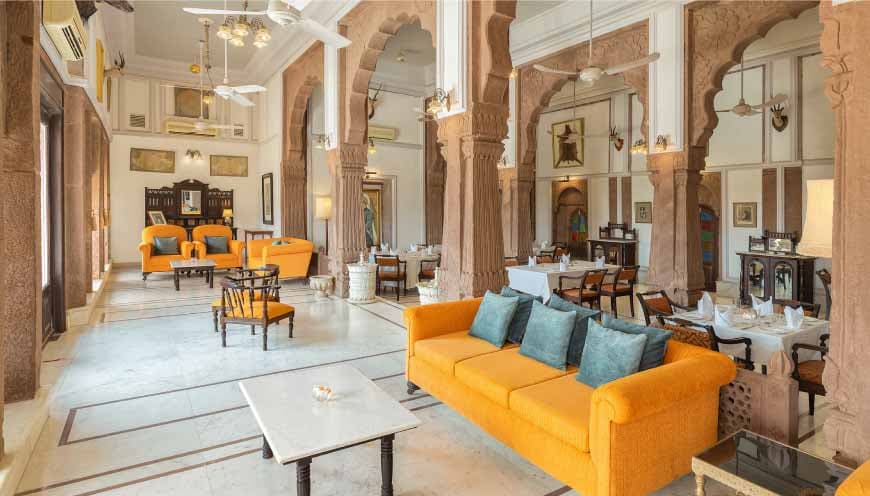
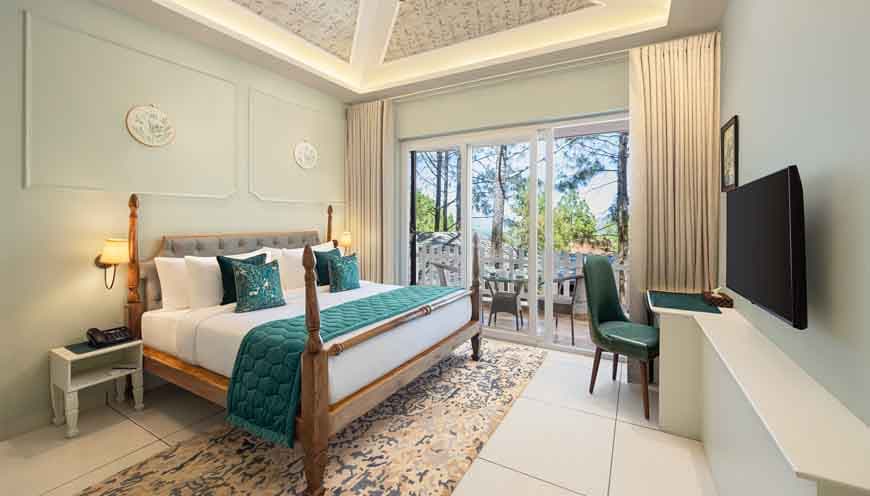
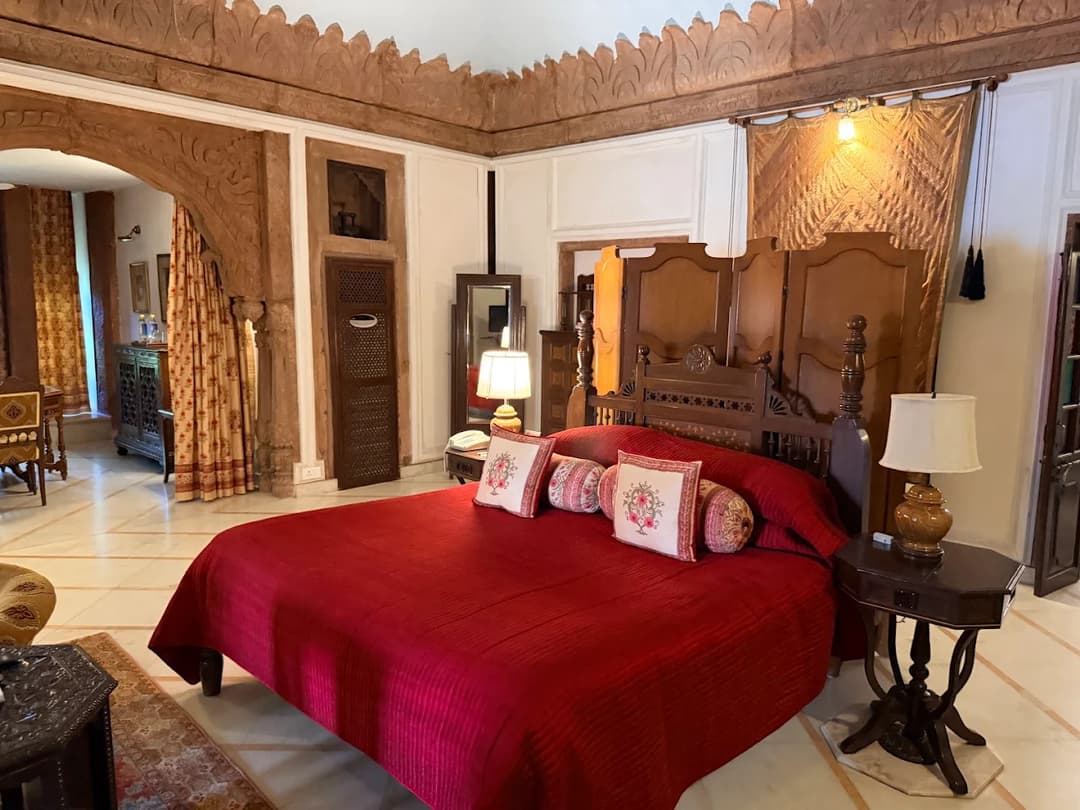
The rooms in a heritage haveli are not identical. That's the first adjustment. The standard hotel experience, every room has the same layout, the same view, the same furniture arrangement, doesn't apply here. One room might have the original jharokha window. Another might open to the inner courtyard. A third might have the ceiling that the original craftsmen painted in 1820.
The property has a history that pre-dates the hospitality industry and the stay reflects it. The architecture makes decisions that the guest adapts to rather than the property adapting to the guest. This is not a limitation. It's what makes the heritage haveli stay in India for an authentic cultural experience different from any other accommodation format.
The staff at a well-managed heritage property know the building's history in a way that the front desk at a chain hotel doesn't know. The story of who built the haveli, which family lived here, what the courtyard was used for, what the frescoes on the dining room wall depict, this knowledge is part of what the guest pays for, whether or not they ask for it directly.
Best Heritage Havelis in India: The WelcomHeritage
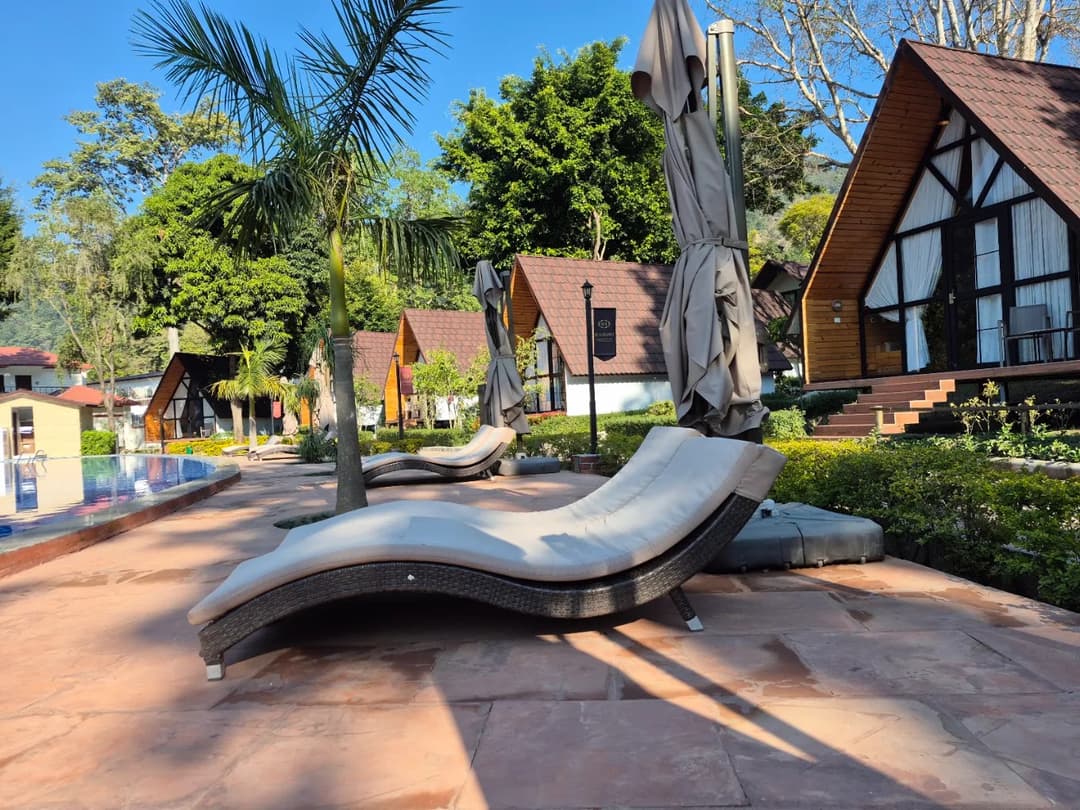
WelcomHeritage operates across India with a specific focus on properties that carry genuine historical significance rather than merely heritage aesthetics. The presence spans Rajasthan, the Himalayan hill stations, Gujarat, Uttarakhand, Himachal Pradesh, and the Northeast, the geographic range of the Indian heritage hotel tradition at its widest.
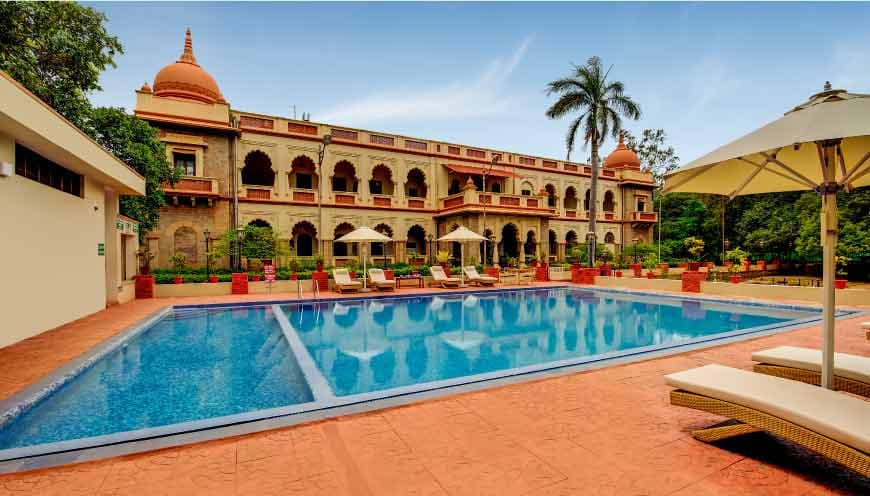
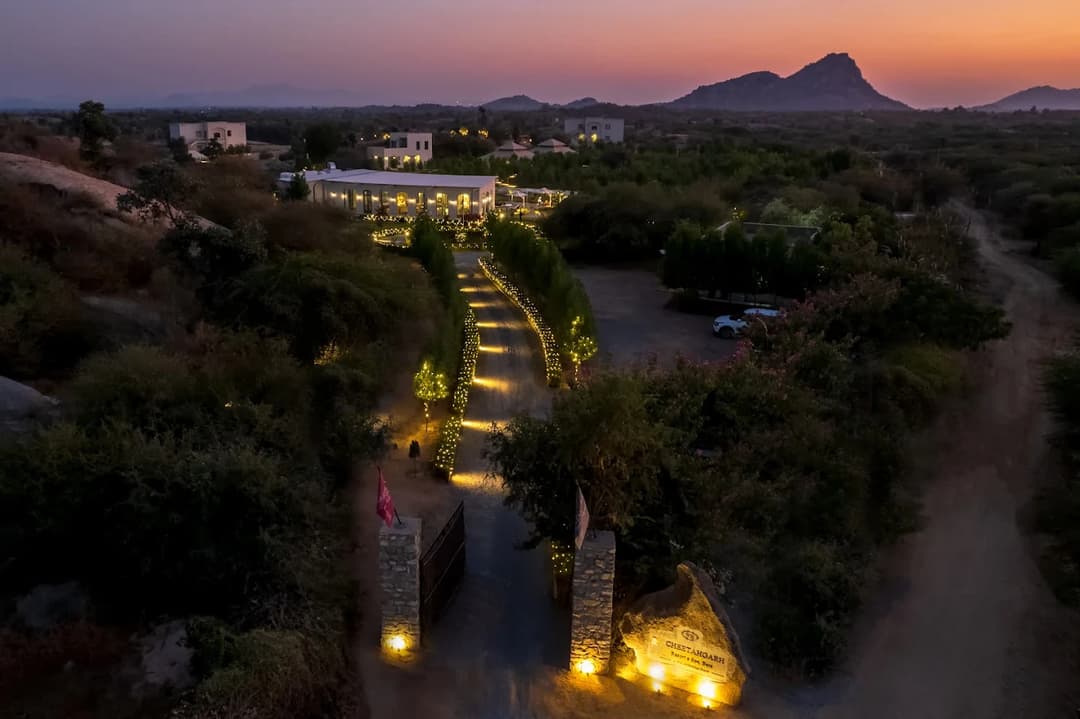
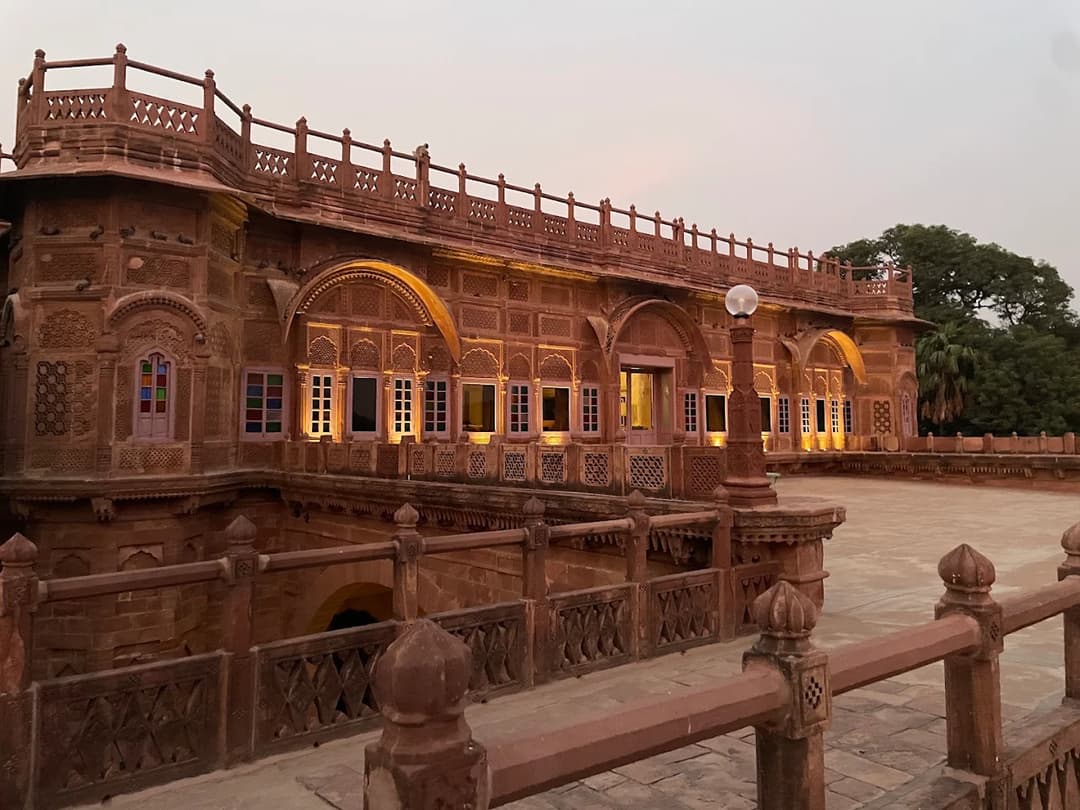
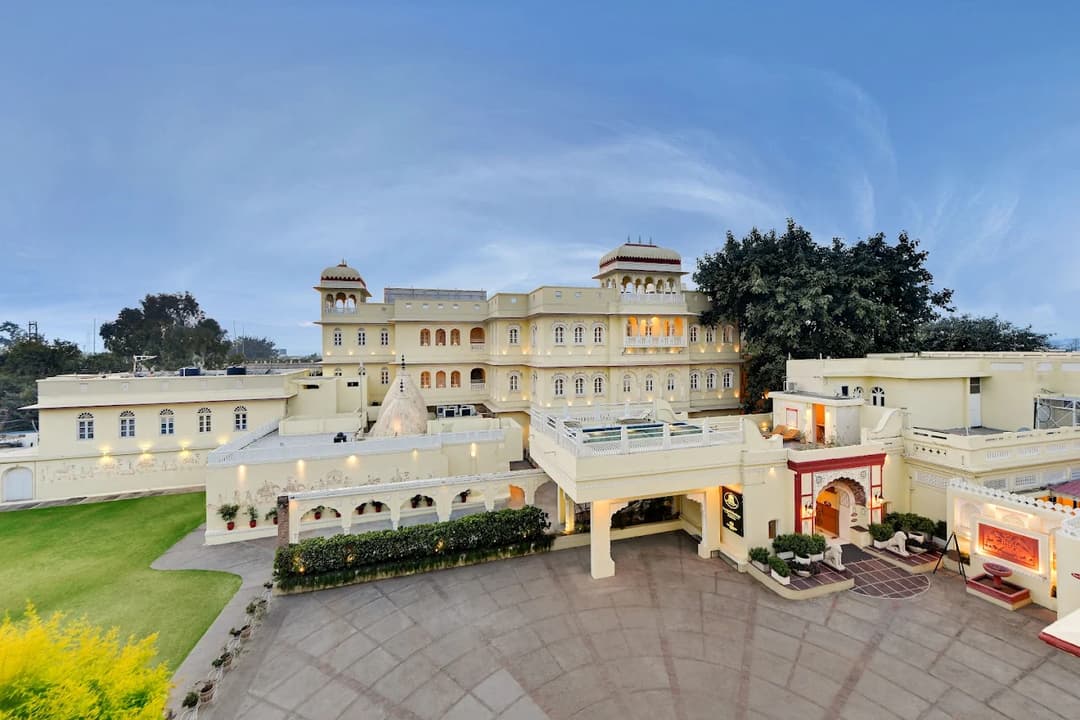
In Rajasthan, the WelcomHeritage properties cover the haveli tradition of the Shekhawati region, the painted havelis of Nawalgarh and the surrounding towns where merchant families commissioned the most elaborate exterior frescoes in the subcontinent. The WelcomHeritage Roop Niwas Kothi in Nawalgarh puts the guest inside this tradition rather than adjacent to it. The building, the frescoes, the courtyard, the Shekhawati heritage haveli experience at a property that has been managing the balance between preservation and hospitality for decades.
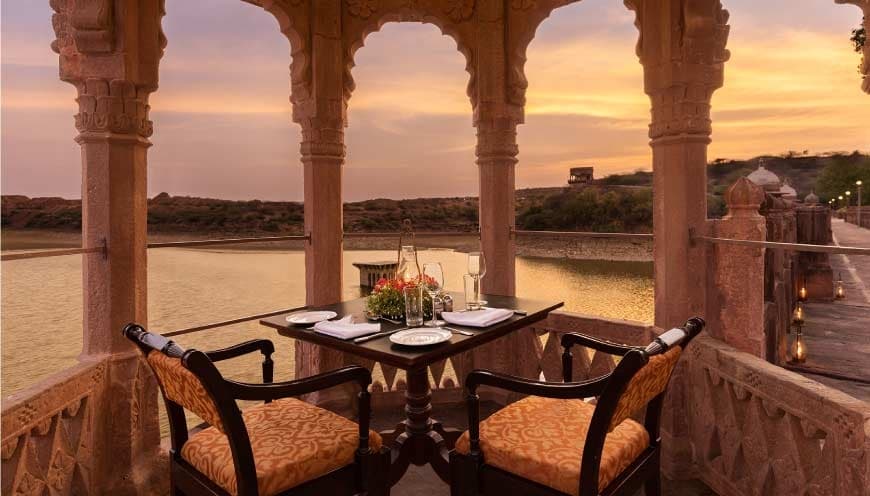
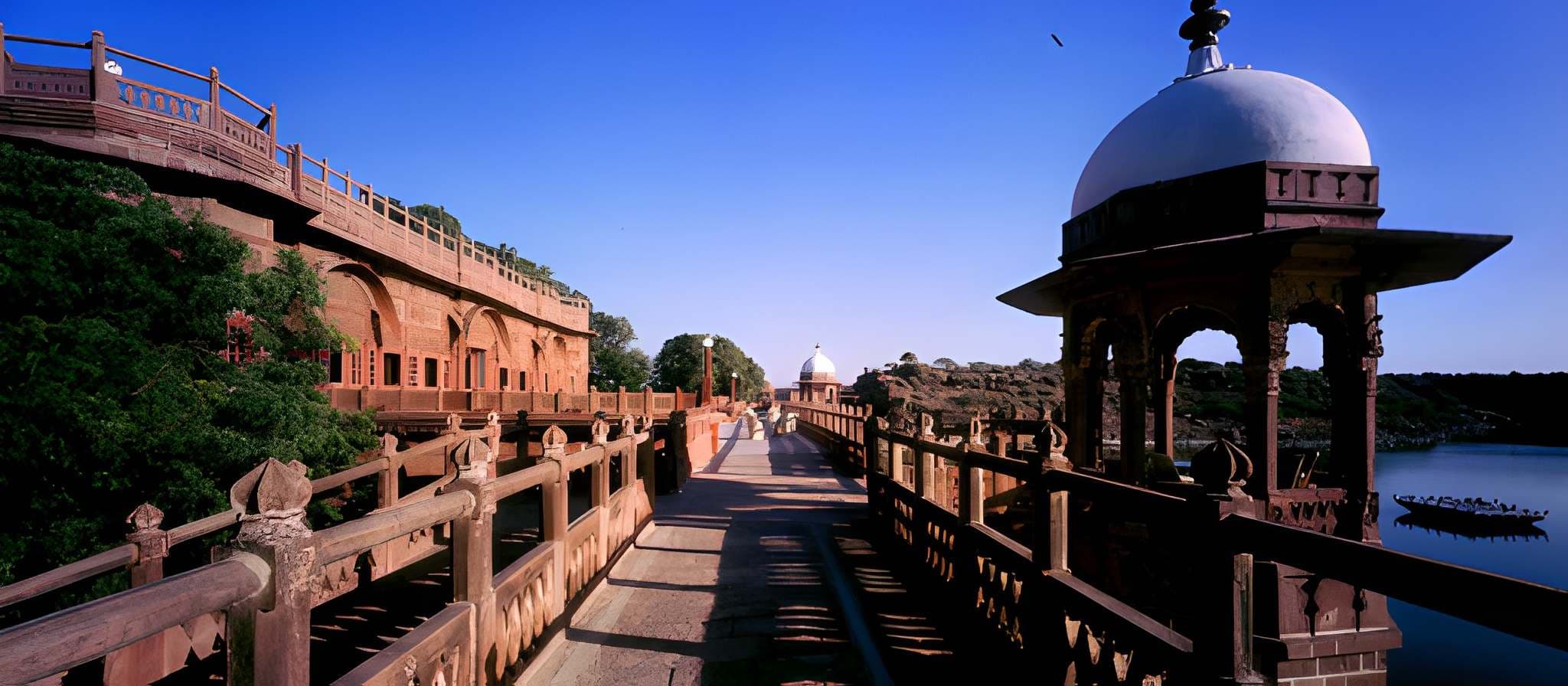
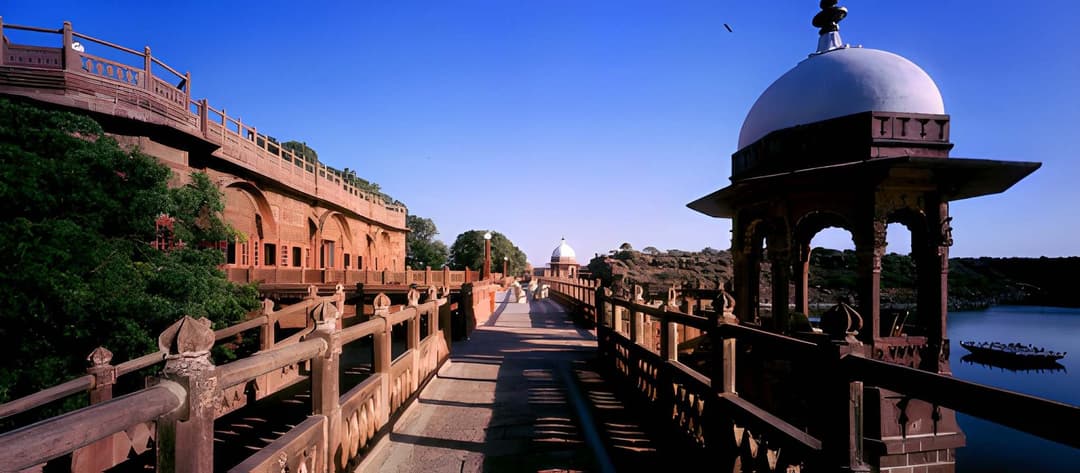
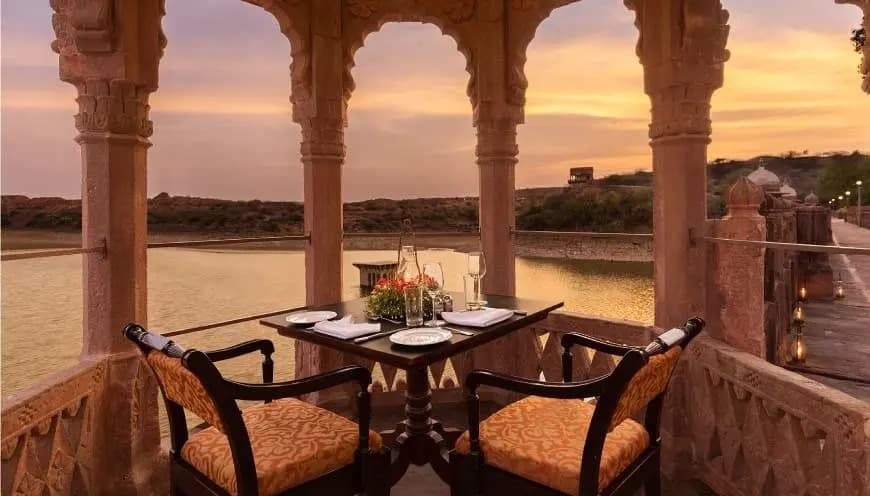
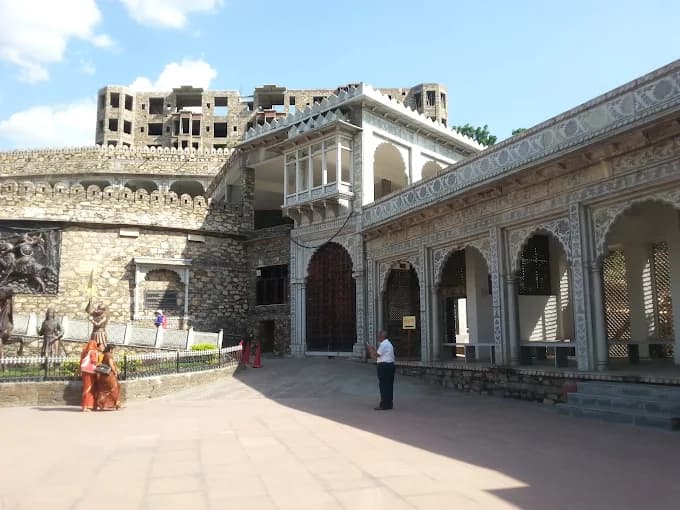
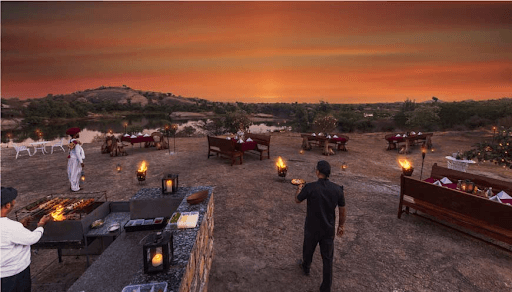
For an authentic cultural stay in India in the Rajput palace tradition, the WelcomHeritage Bal Samand Lake Palace near Jodhpur sits within a garden property established in 1159 AD, the founding date that makes the heritage claim here one of the most significant in the portfolio. The palace, the lake, the Marwari horse tradition the property maintains, the specific Rajput heritage at a scale that most haveli properties don't carry.
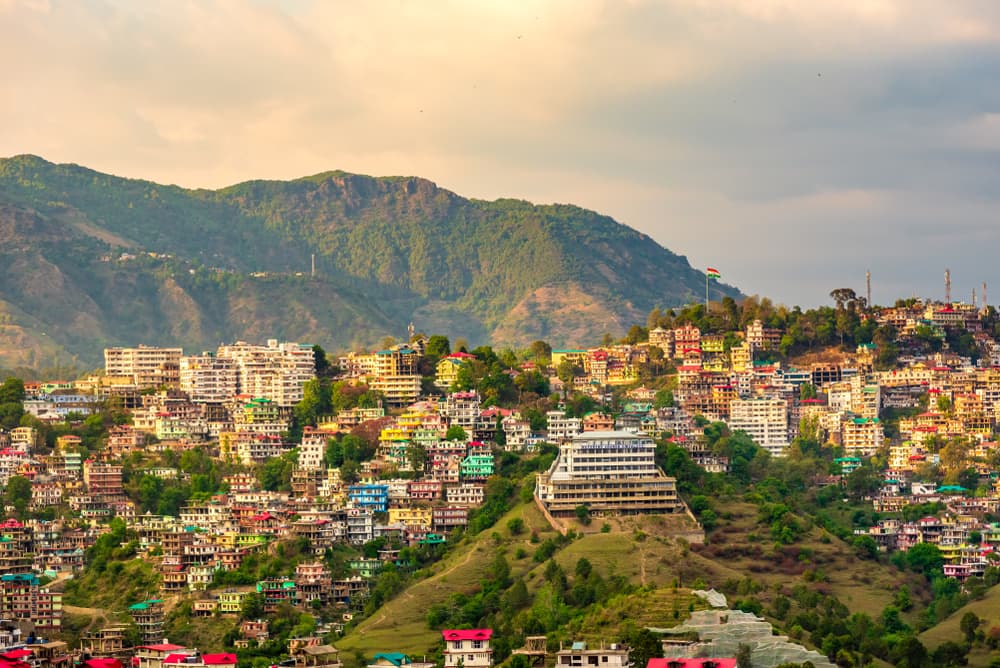
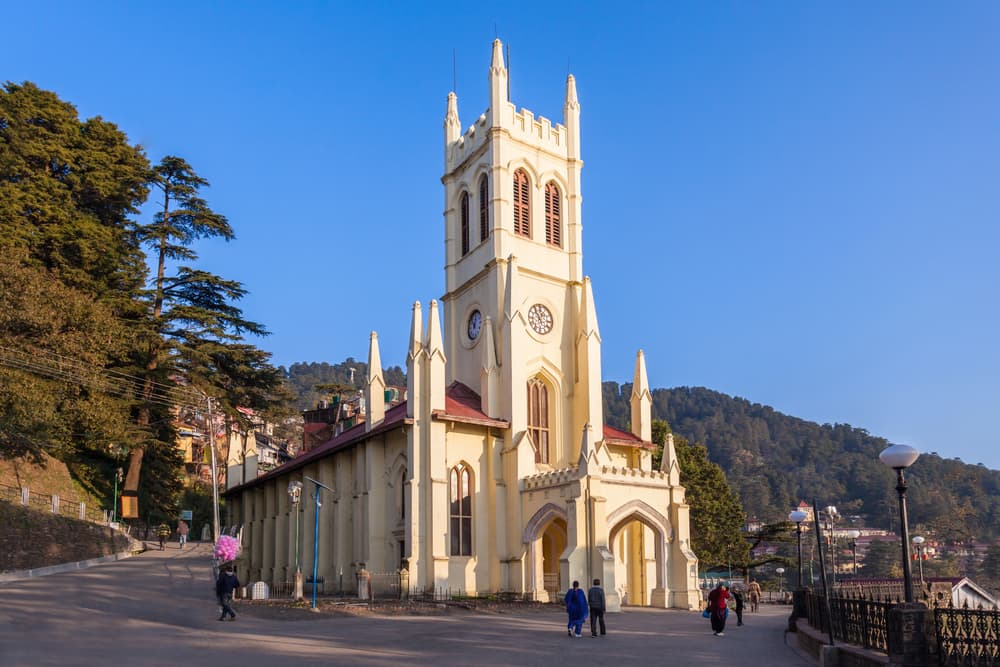
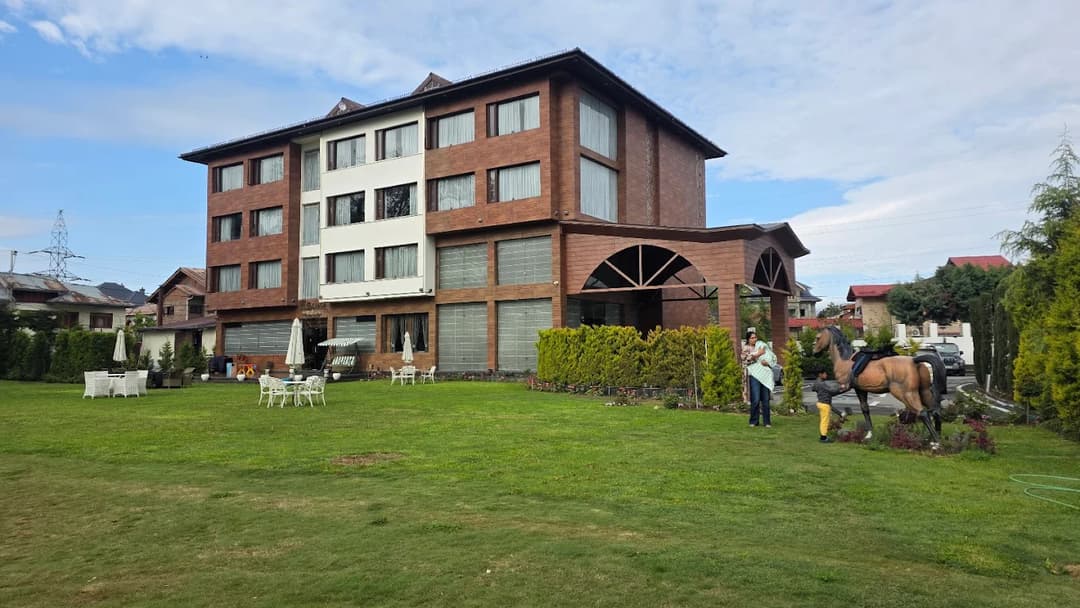
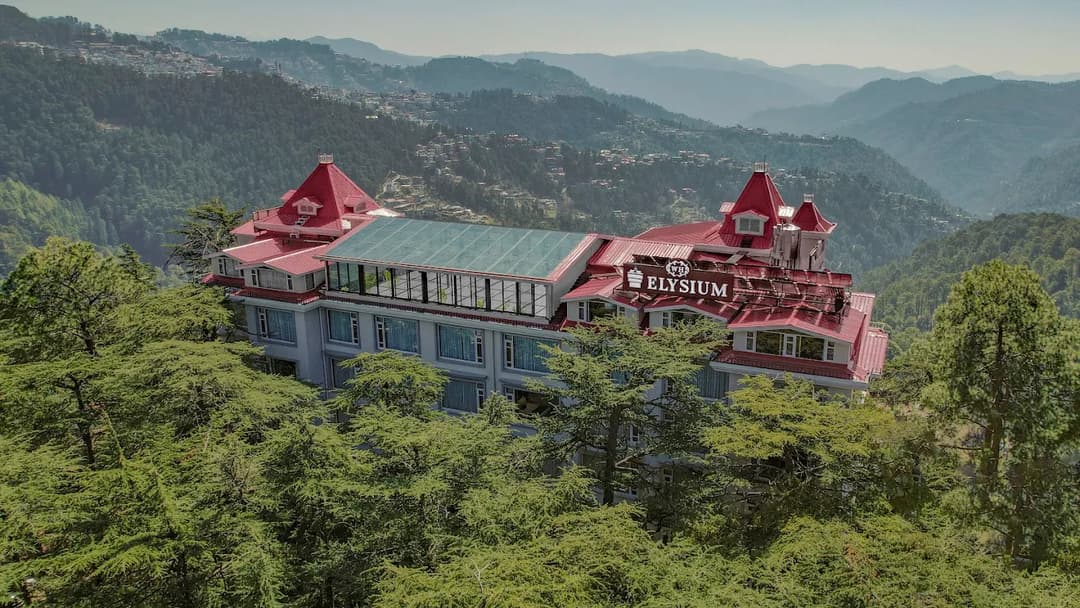
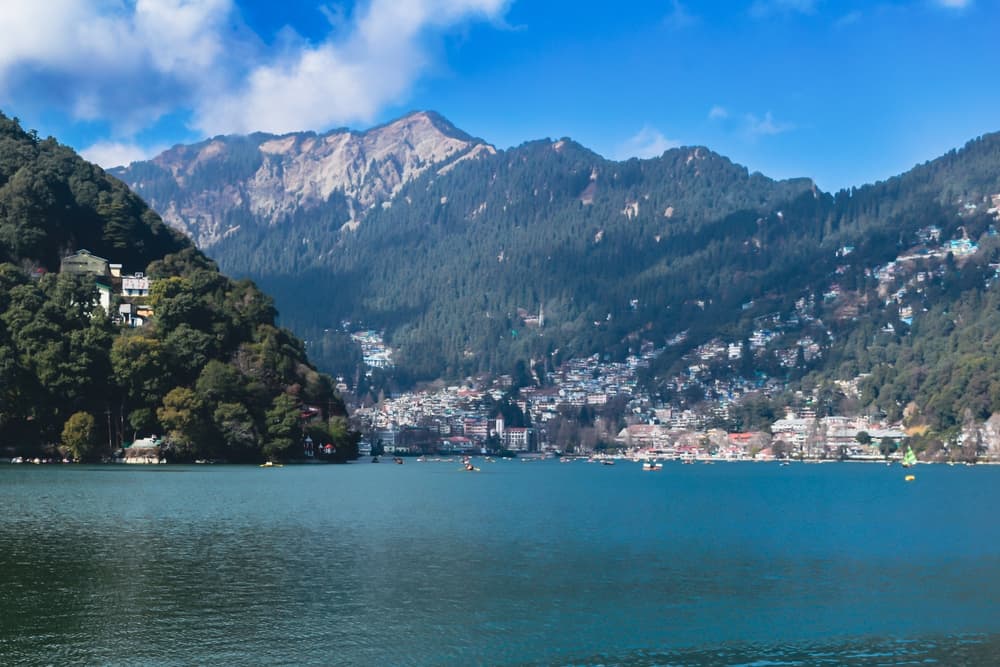
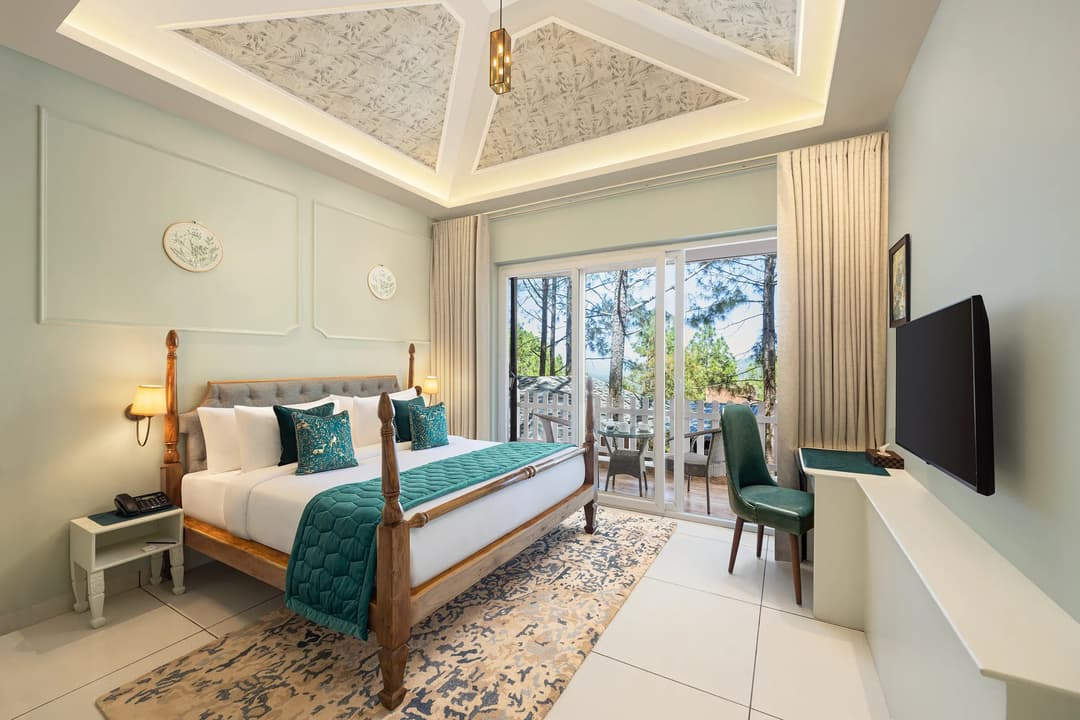
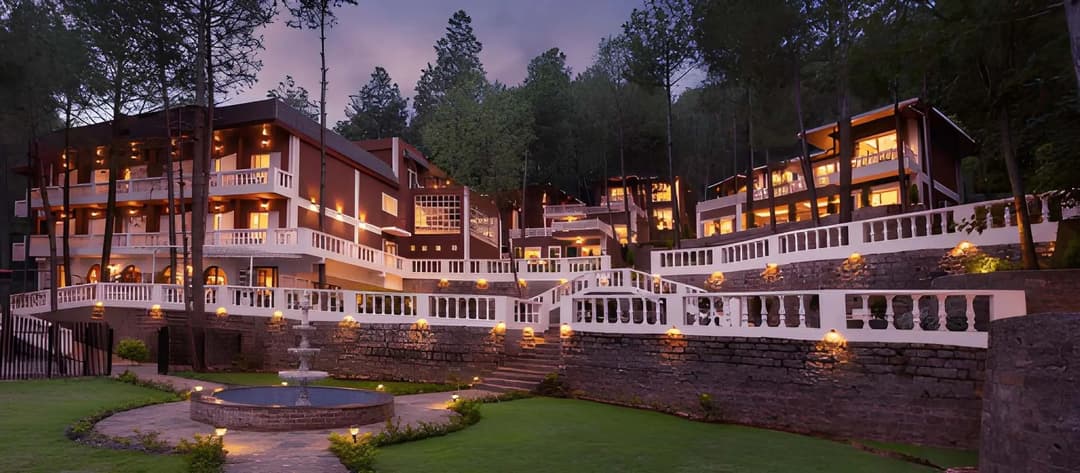
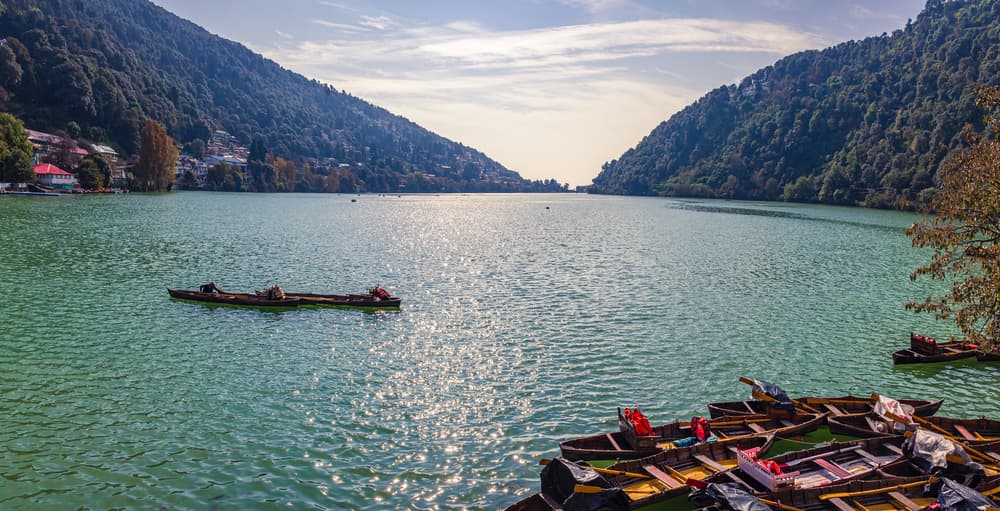
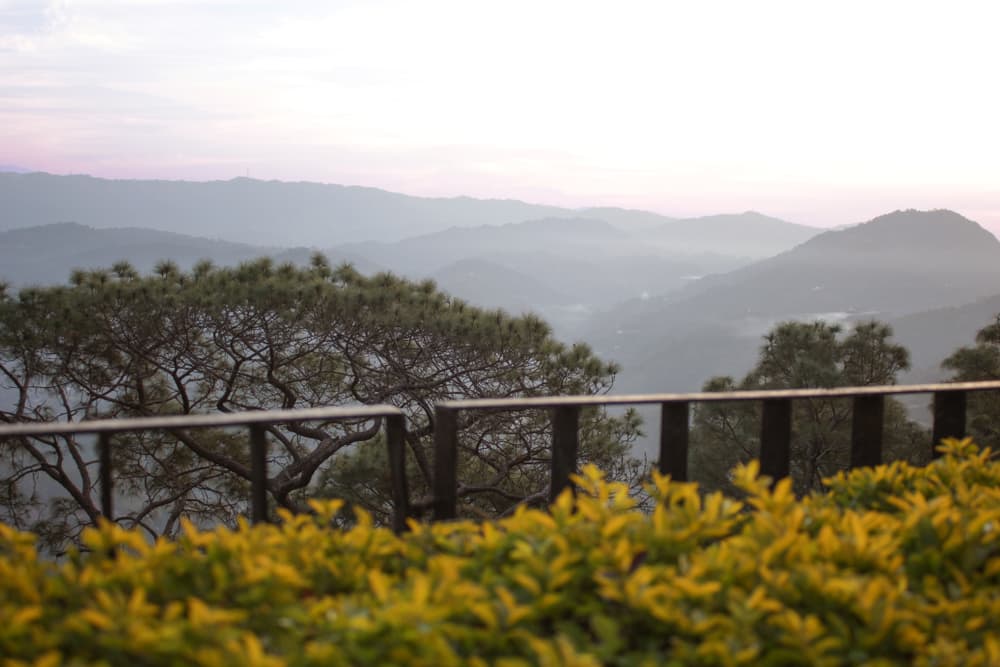
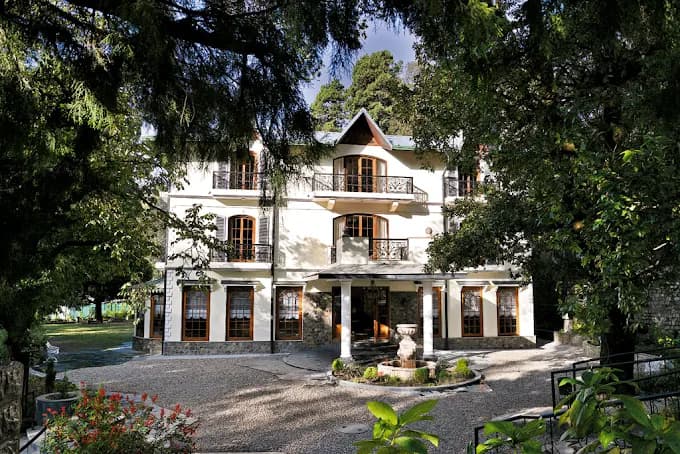
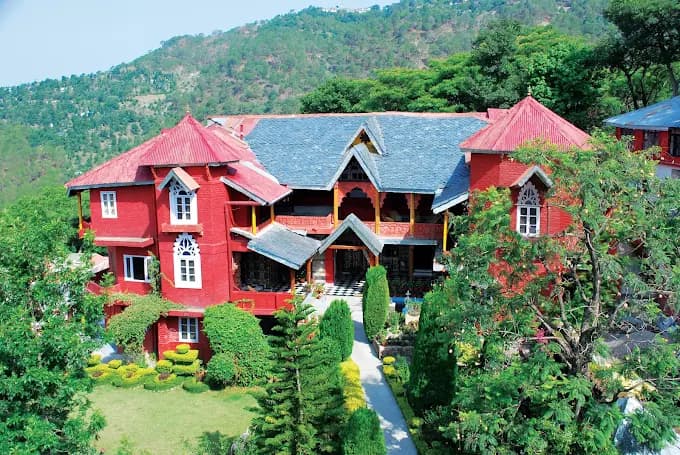
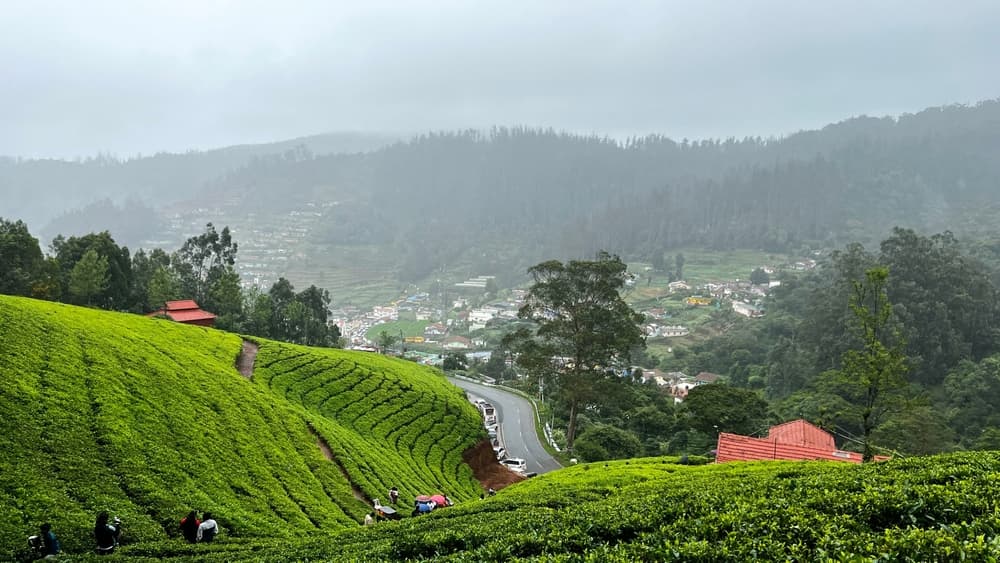
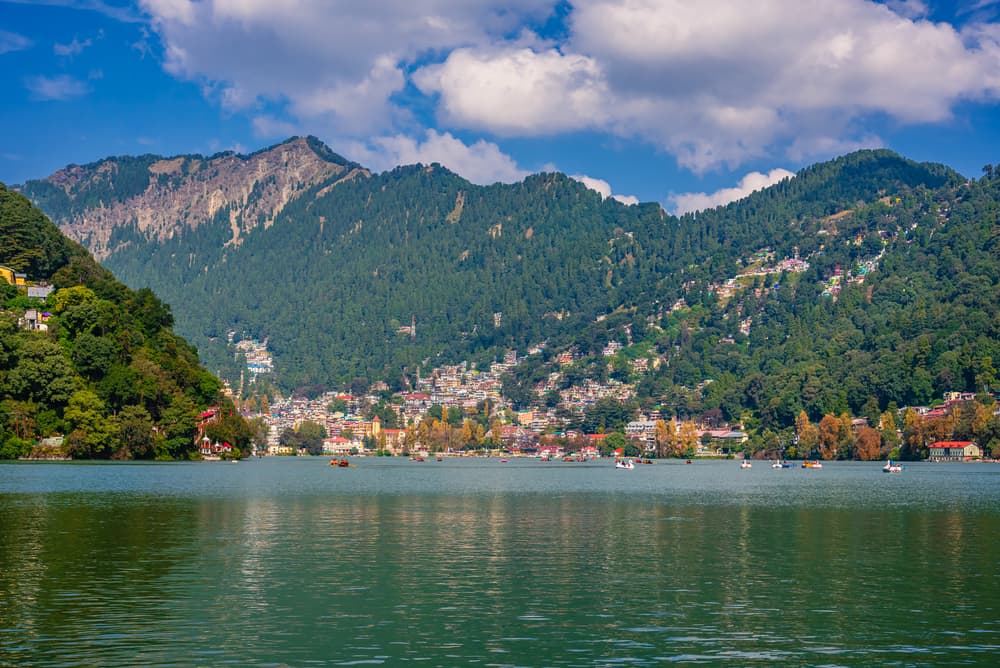
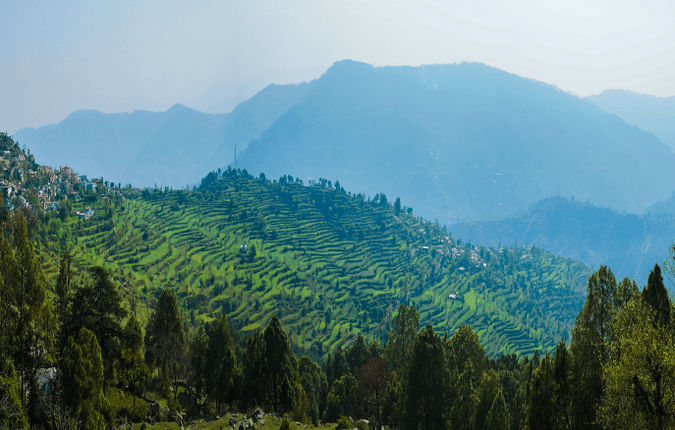
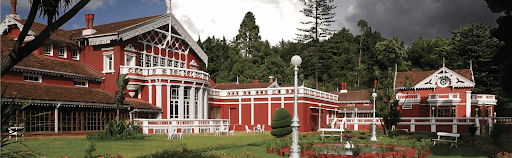
In the Himalayan hill stations, WelcomHeritage properties carry the colonial-era bungalow tradition that the British hill station culture produced. Fernhills Royal Palace in Ooty, Ashdale in Nainital, the properties across Mussoorie and Kasauli, the hill station heritage stay that the concrete hotel on the Mall Road doesn't and can't replicate.
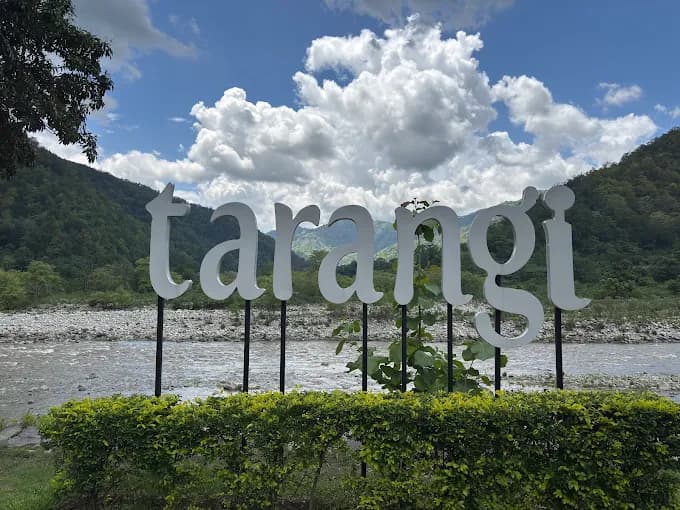
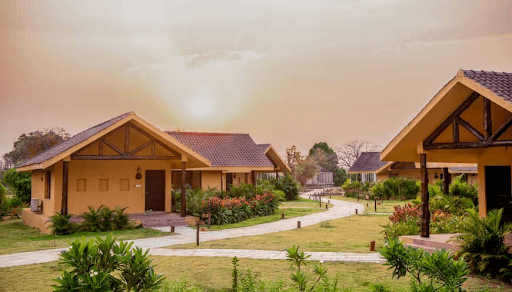
The Northeast properties extend the presence into the tribal heritage tradition of Assam and Meghalaya, a different architectural vocabulary from the Rajput or colonial traditions but an authentic cultural stay in Indiaof equal significance for the traveller whose interest in the subcontinent's heritage extends beyond the Rajasthan circuit.
What Sets WelcomHeritage Properties Apart
The management philosophy. A heritage property managed without understanding what it is tends toward one of two failures, the museum that has stopped living, or the renovation that has removed what made the property significant. WelcomHeritage navigates between these by treating the properties as living heritage, functioning hotels that happen to be extraordinary buildings, rather than extraordinary buildings that have been converted into hotels.
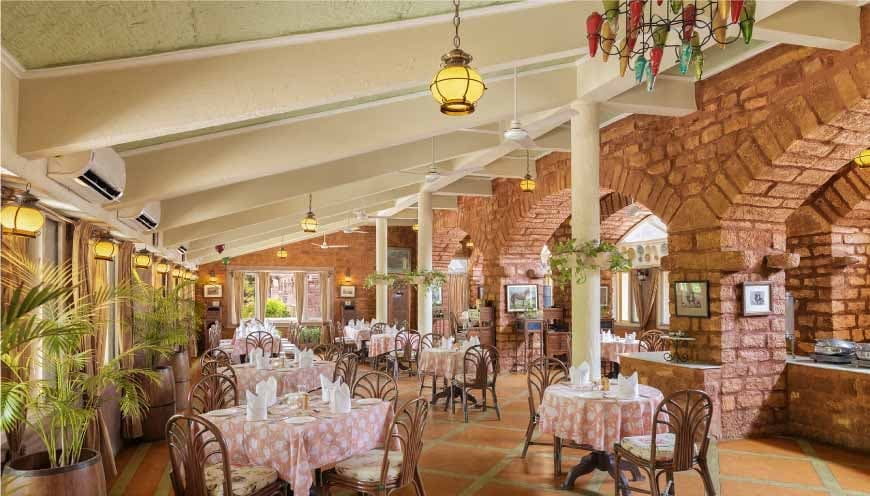
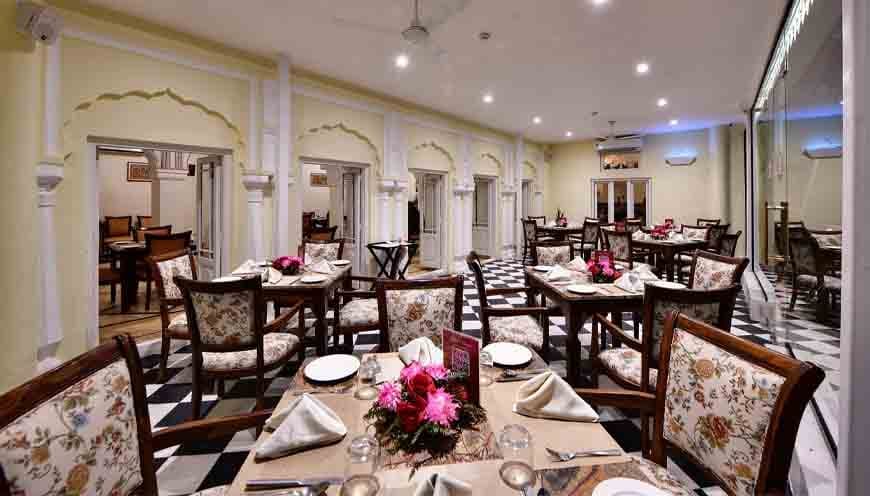
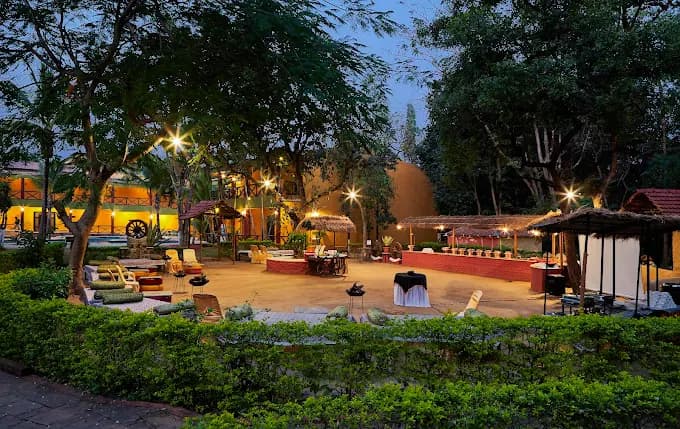
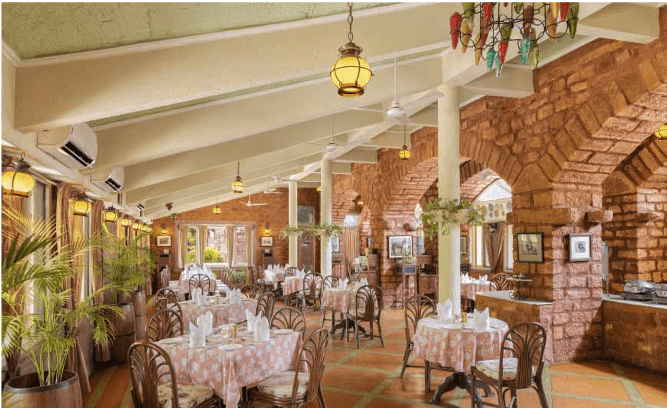
The culinary tradition. The best heritage havelis in India for an authentic cultural stay serve the regional food that belongs to the building. The Rajasthani thali at a Shekhawati haveli. The Ooty club-style menu at Fernhills. The Assamese kitchen at the Northeast properties. This is the food that was cooked in these buildings before hospitality was the purpose, and the properties that maintain it give the guest a dimension of the stay that the heritage architecture alone doesn't.
How to Choose the Right Heritage Stay for Your Trip
The heritage haveli stay in India works best when the property matches the specific interest of the visit. Rajasthan for the painted haveli tradition and the Rajput architecture. The hill stations for the colonial bungalow heritage and the mountain landscape. The Northeast for the tribal and colonial heritage of the Brahmaputra corridor. The Gujarat properties for the merchant haveli tradition that produced the most elaborate domestic architecture in Western India.
WelcomHeritage's properties cover all of these. The heritage havelis in India for an authentic cultural stay that the brand manages are the ones worth researching specifically, the property history, the architectural tradition it represents, and the regional cuisine and cultural program that the management team has maintained alongside the physical building.
The heritage hotel stay is the version of India travel that takes the longest to forget. The modern hotel is replaced in memory by the next modern hotel. The painted courtyard in the Shekhawati haveli, the colonial dining room at Fernhills, the lake view from Bal Samand, these stay.

3381861143.jpg&w=1080&q=75)
86441.jpg&w=1080&q=75)
94919.jpg&w=1080&q=75)